 Welcome to the United Nations

 OHCHR


The United Nations Voluntary Trust Fund on Contemporary Forms of Slavery
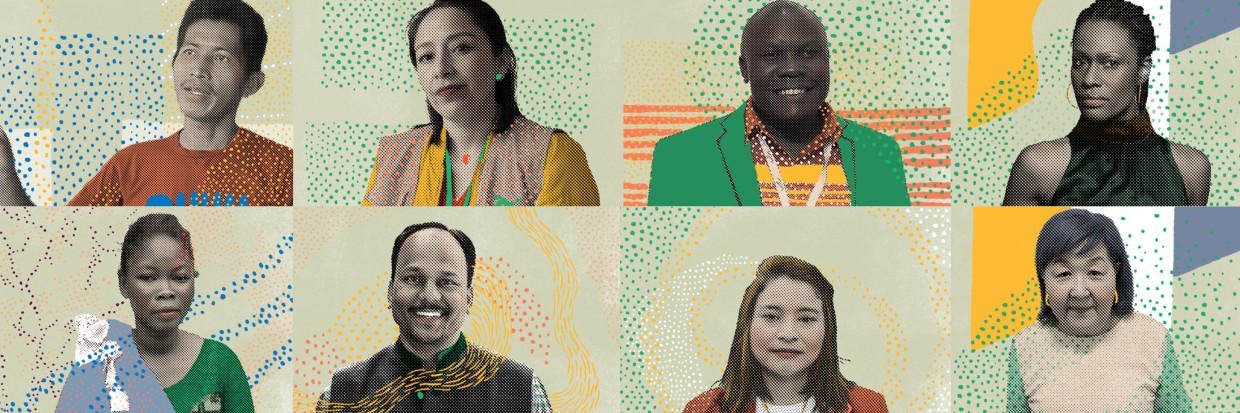
Purpose of the Fund
More than 50 million people around the world remain enslaved today. The United Nations Voluntary Trust Fund on Contemporary Forms of Slavery brings relief to those whose human rights have been severely violated as a result of this affront to human dignity, abolished worldwide, but persisting in practice.
By awarding grants to civil society organizations, the Fund ensures that thousands of men, women and children subjected to slavery around the world today receive humanitarian, psychological, social, legal, medical, financial and other assistance.
The UN Slavery Fund is characterized by its victim-centred approach and its universality, its agility and ability to reach remote locations and empower grassroots initiatives. Its impact is felt on the ground, in the everyday lives of victims and survivors on their road to recovery.
As part of the UN anti-slavery framework, the Fund fills a niche of direct relief for victims and of building resilience for survivors and civil society. Through strategic partnerships, the Fund complements and leverages the monitoring, reporting, advocacy and advisory role of other UN mechanisms combatting contemporary forms of slavery.
How the Fund works
The Fund is managed by the United Nations Human Rights Office, with the advice of a Board of Trustees composed of five independent experts. Grants ranging from 15,000 to 30,000 USD are awarded yearly on a competitive basis. A call for proposals is open every year from 15 January to 1 March. The Secretariat of the Fund evaluates applications — including through on-site visits — and reviews grant implementation through the analysis of the narrative, financial and audit reports. The Board meets once a year to determine priorities, review policies and adopt recommendations on grants.
Read more about the Board of Trustees
Beneficiaries of the Fund
Since its establishment by the General Assembly in 1991 (resolution 46/122), the UN Slavery Fund has awarded more than 8 million USD to over 400 organizations in more than 100 countries, providing rehabilitation and assistance to thousands of individuals whose human rights have been severely violated as a result of contemporary forms of slavery, including: children in armed conflict, debt bondage, forced and early marriage, forced labour, traditional slavery, trafficking of persons, sale of children, sale of wives, serfdom, sexual slavery, widow inheritance and worst forms of child labour.
The Fund receives voluntary contributions from Governments, private or public entities and individuals.
The Fund in 2026
In 2026, the UN Slavery Fund awarded 38 annual grants to assist over 11,190 slavery survivors in 31 countries around the world. This was possible thanks to the generous voluntary contributions of 9 Member States.
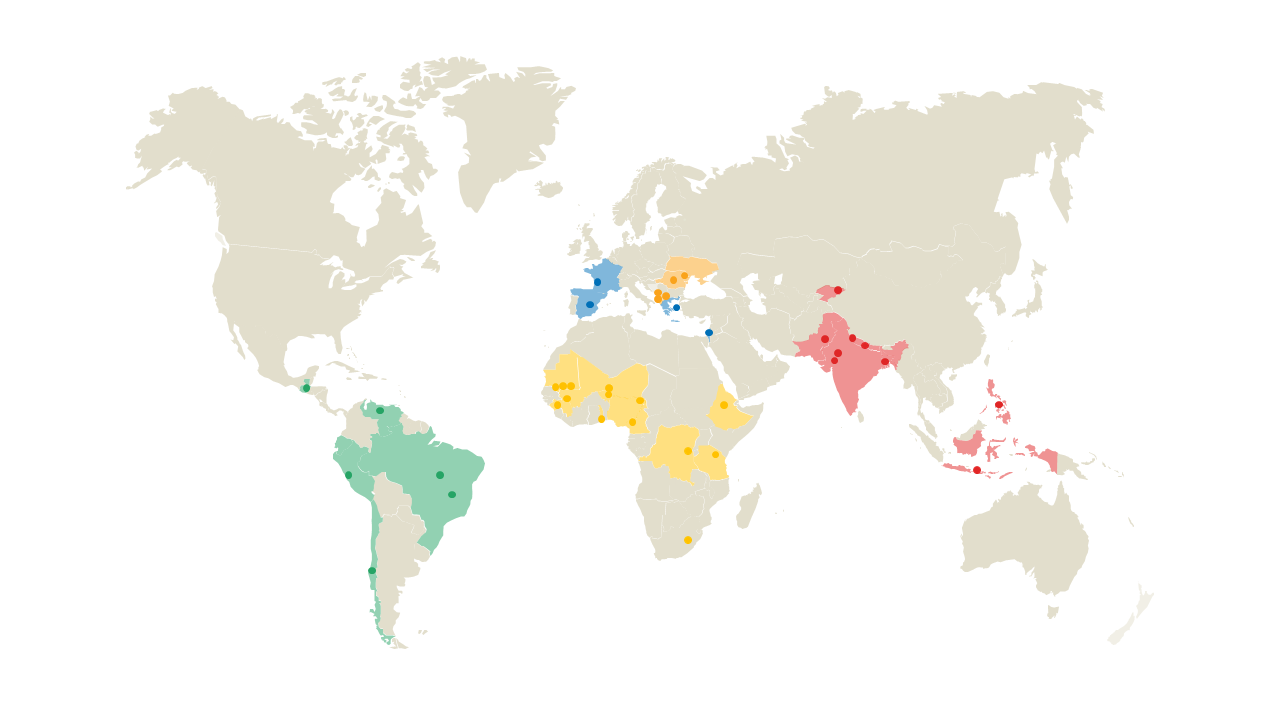
United Nations Voluntary Trust Fund on Contemporary Forms of Slavery, Grants 2026
Key documents
Flyer for the UN Slavery Fund (PDF) English | Français | Español
Latest reports
Activities
Joint statement: UN experts stand up for Freedom on the International Day for the Abolition of Slavery
2 December 2025
Local Heroes: Fighting Human Trafficking in North Macedonia
2 December 2024
Trafficking survivor wants to “make human rights mainstream”
1 December 2023
“I didn’t feel human”
16 December 2022
Ms. Hina Jilani on Contemporary forms of Slavery, Human Trafficking and the Way forward
In this interview, Ms. Hina Jilani, human rights lawyer and member of the Board of Trustees of the United Nations Voluntary Trust Fund on Contemporary Forms of Slavery, discusses the realities of contemporary forms of slavery and human trafficking, the need for stronger action, and the importance of the Fund in supporting victims and addressing contemporary forms of slavery worldwide, while marking the 100th anniversary of the Slavery Convention.
Slavery survivors: The road to recovery
Contact information
United Nations Voluntary Fund on Contemporary forms of Slavery,
OHCHR-UNOG, 8-14 Avenue de la Paix
1211 Geneve 10,
Switzerland
Email: ohchr-slaveryfund@un.org
Tel: (41) 22 917 9376
Fax: (41) 22 917 9017