 Welcome to the United Nations

 OHCHR





Human rights don’t protect themselves.
Your donation protects the essentials we all rely on.
10 December 2025

Family is a cornerstone of human life. No matter where we come from or where life takes us, family is one of the first sources of love and support we ever know. The love, care, and support we receive from family form the foundation for our growth, resilience, and sense of belonging.
Migrants and refugees are no different when it comes to valuing family in all its diversity. Yet the moment someone migrates, society often treats them differently. Suddenly, there is an expectation of sacrifice—of giving up the very things everyone considers as essentials, including the right to family life and family unity.
Building a family, migrating with your family—or being reunited with them afterward—is not a possibility for many people. This separation causes deep suffering for everyone involved, both for those who migrate and for those left behind. This prevents migrants and refugees and their families from flourishing as equal members of our society.
Creating and enhancing regular migration pathways that uphold the right to family life is crucial for States to uphold human rights, build cohesive societies and create fair and sustainable migration systems. Such pathways prevent people from resorting to dangerous journeys or falling into irregular status and allow them to live openly without fear - including accessing healthcare when needed, sending their children to school, and pursuing justice. Family reunification keeps children safe from harm, supports mental and emotional well-being of individuals and families, and helps them settle and contribute more fully to society. When families are together, they feel they belong - and society as a whole benefits.
Through the story of Carlos, An, Zara and Babacar, UN Human Rights illustrates the importance of placing the right to family life at the heart of migration governance. Their experiences show the need for governments and societies to reimagine current migration pathways, so they are safe, accessible and rights-based, enabling people to build a family, move together or be reunited. Finally, they encourage us to harness the power of solidarity to improve systems and show what is possible when communities act with compassion and governments uphold rights.
We invite you to explore ways to take action for people like Carlos, An, Zara and Babacar.
These hope-based illustrations were created by Magda Castría, a feminist illustrator and graphic designer from Argentina. She produces editorial, animation, motion graphics and digital media projects focused on defending human rights. Castría is devoted to spreading hope to make the world a better place for all species that inhabit it.
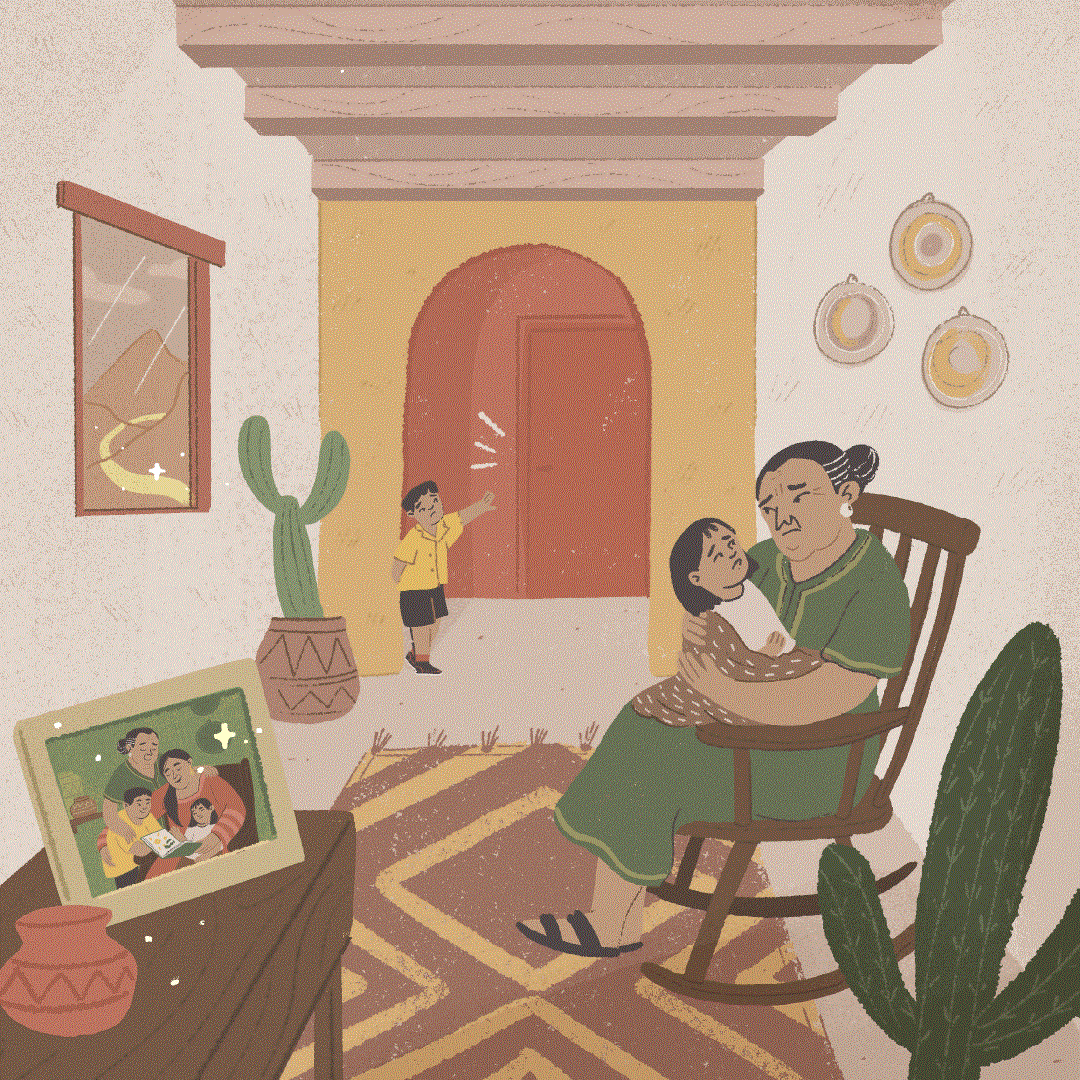
Download high-resolution image: PNG

Download high-resolution image: PNG

Download high-resolution image: PNG

Download high-resolution image: PNG

Download high-resolution image: PNG
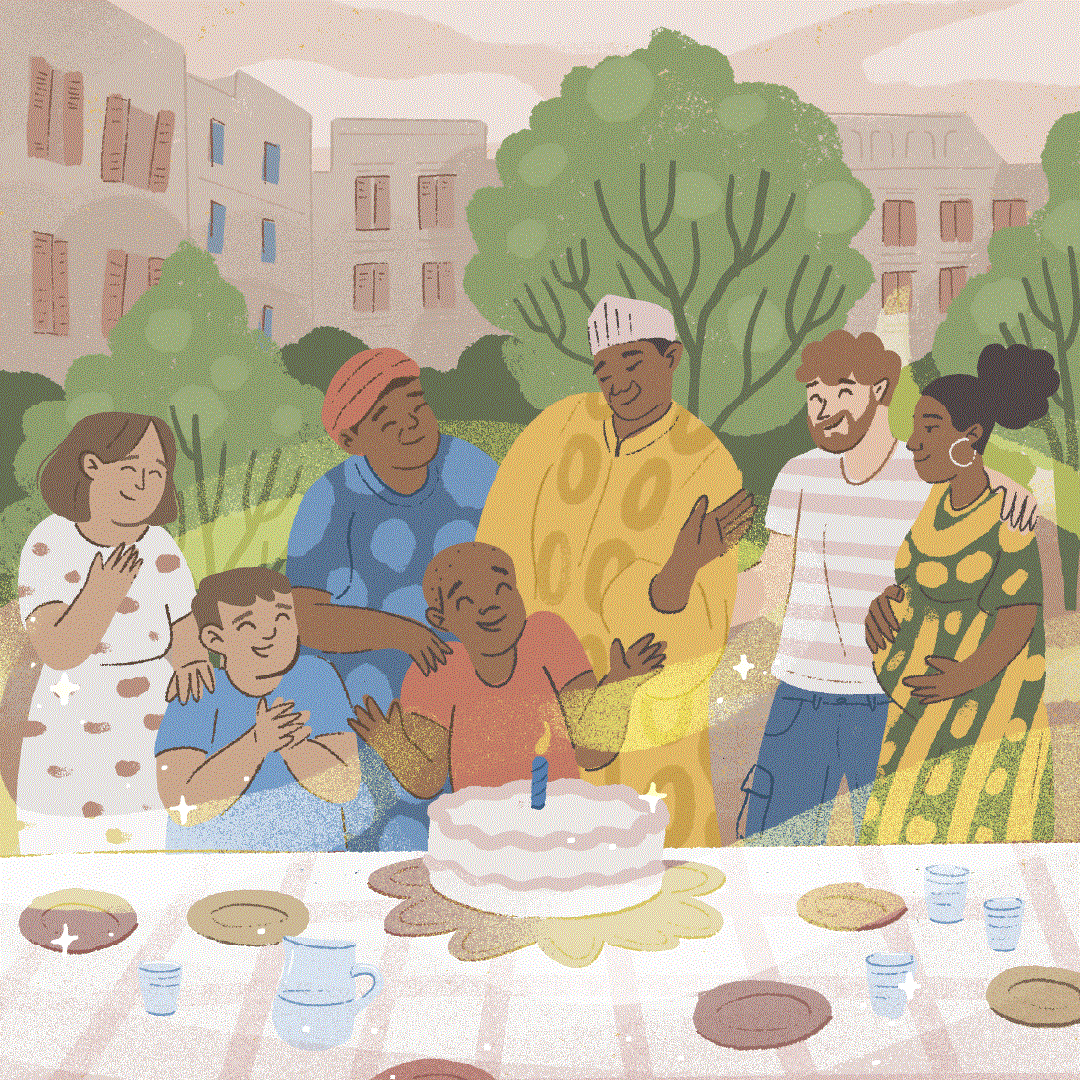
Download high-resolution image: PNG
Join us to #StandUp4Migrants and call for safe and regular migration pathways that uphold the right to family life, so families can stay together or be reunited. You can download the images and share them, crediting the artist Magda Castría.
To find out more about how to help change the narrative on migration and the human rights of people on the move, visit the UN Human Rights Toolbox.
To explore the range of human rights concerns and proposed solutions for human rights-based pathways for migration, read our Paper: Leveraging regular migration pathways for human rights.
To understand how to enhance the right to family life in the Asia-Pacific region, read our report.
For a global, child rights-based perspective on family reunification, you can also read our report to the HRC on the rights of the child and family reunification.
Your donation protects the essentials we all rely on.