A pathway to compassion

23 June 2025

Elizabeth walks along a glowing path through a pink landscape toward a distant Buddha statue.

Migration is a fundamental part of the human journey and as old as humankind. It is inherently complex, with people moving for varied and often interconnected reasons, and not always out of a free choice of their own.

Effective migration governance requires a nuanced approach that addresses, rather than exacerbates, human rights challenges. Restrictive and oversimplified policies can lead to suffering across countries of origin, transit, and destination. Furthermore, harmful narratives about migration have fueled fear, division, and exclusion, suggesting that some individuals are undeserving of rights or have no place in our communities.

Creating and enhancing regular migration pathways is crucial for States to uphold human rights, allowing individuals to reach safety, live with dignity, and fully enjoy their rights. Such pathways enable people to emerge from the shadows, send their children to school, access healthcare, and seek justice. They reunite families, prioritize the best interests of the child and foster thriving communities.

Through the story of Elizabeth, UN Human Rights illustrates the importance of accessible, stable and dignified pathways for admission and stay. Her experience highlights the need for expanded and inclusive pathways that respond to the vulnerabilities people may face. Finally, it reminds us of the power of solidarity to change the system and what is possible when communities act with compassion and governments uphold rights.

We invite you to explore ways to take action for people like Elizabeth below.

About the illustrator

These hope-based illustrations were created by Magda Castría, a feminist illustrator and graphic designer from Argentina. She produces editorial, animation, motion graphics and digital media projects focused on defending human rights. Castría is devoted to spreading hope to make the world a better place for all species that inhabit it.
Finding a new home

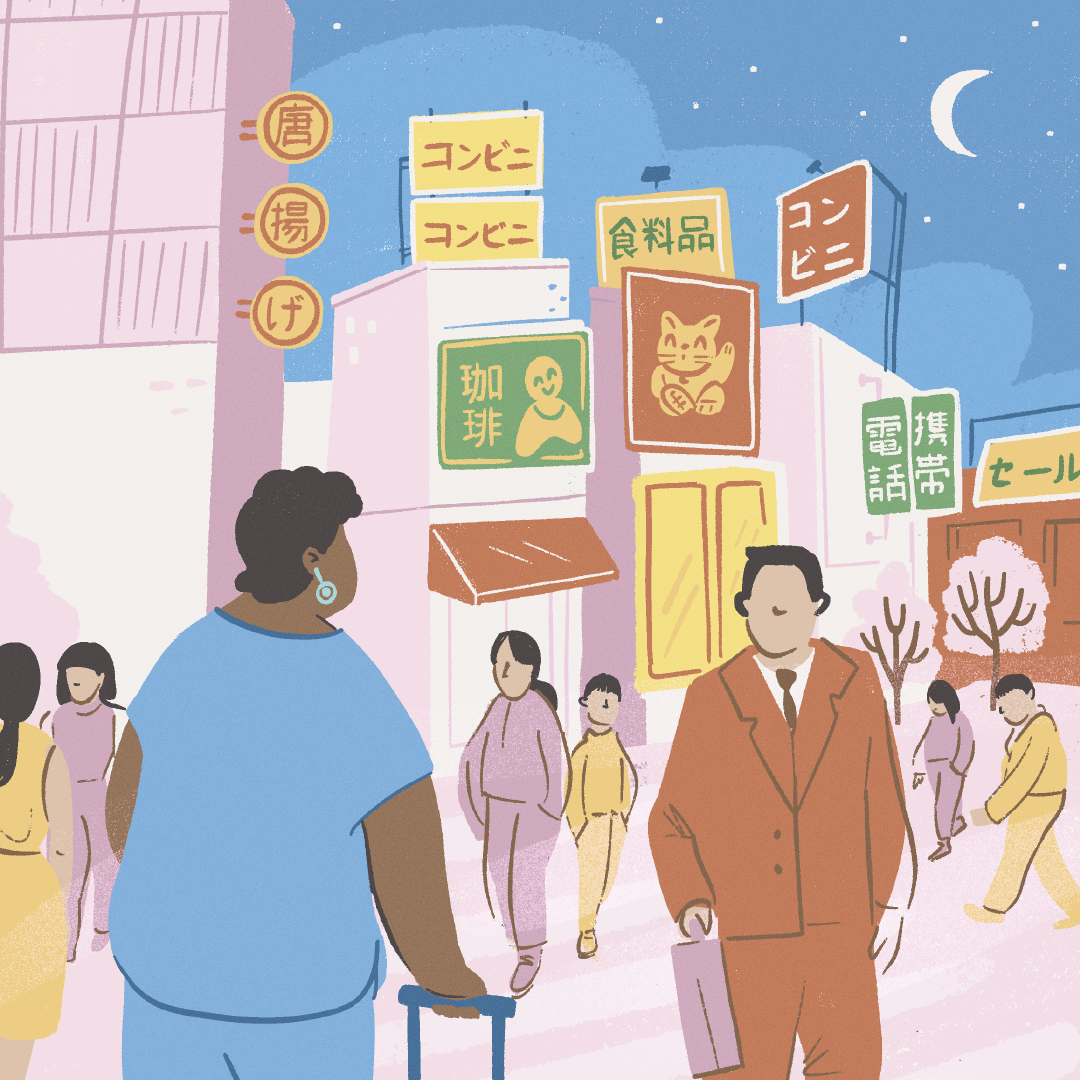
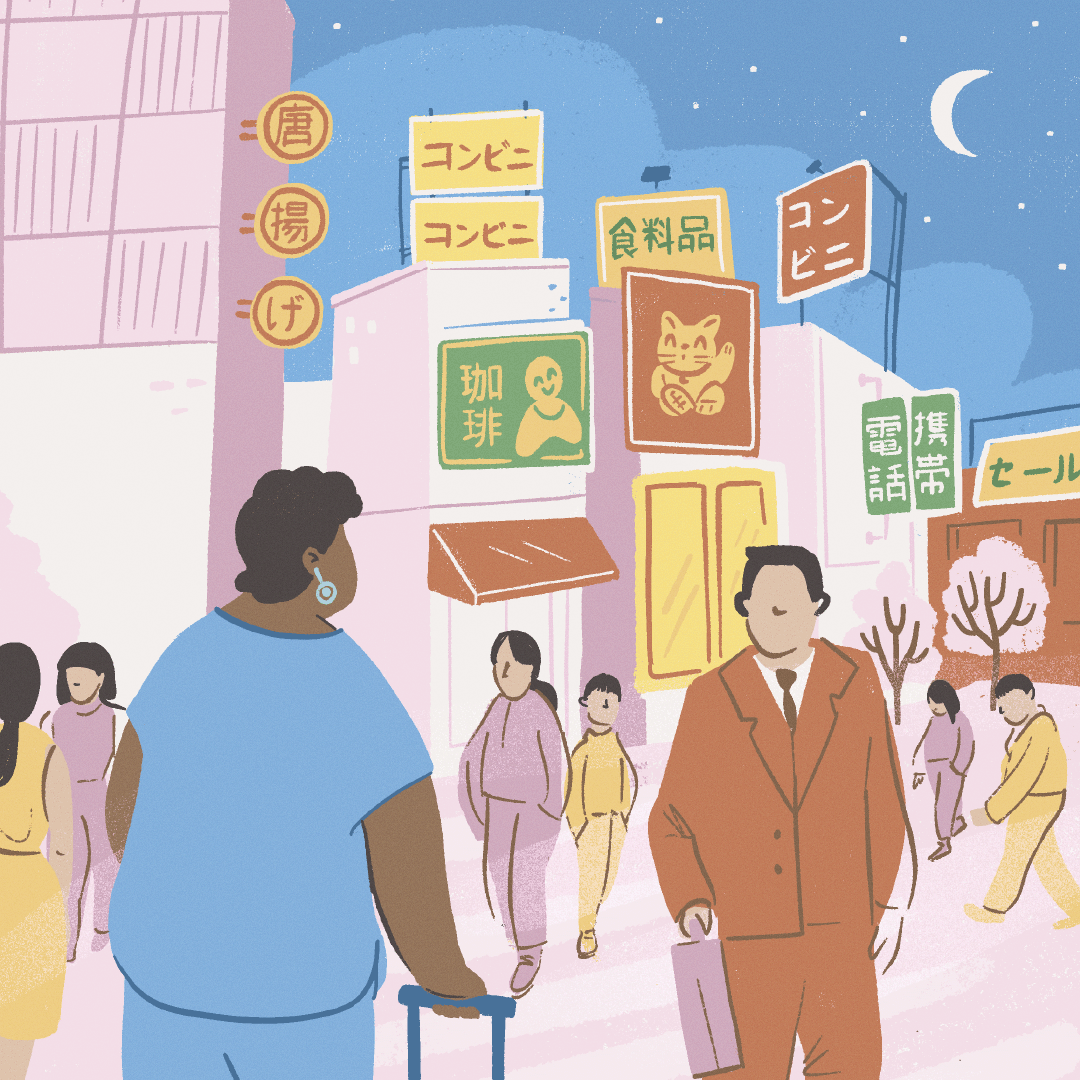
Elizabeth had lived in her new country for over 30 years but remained in an uncertain, irregular situation. Authorities allowed her to stay for humanitarian reasons, yet she feared for her future every day. Her story highlights the many challenges of living without a regular status. 

Elizabeth stands in a busy city with many signs in Japanese. She cannot understand anything and is the only person with dark skin while everyone else has lighter skin, showing she feels different from others.

Download high-resolution image: PNG

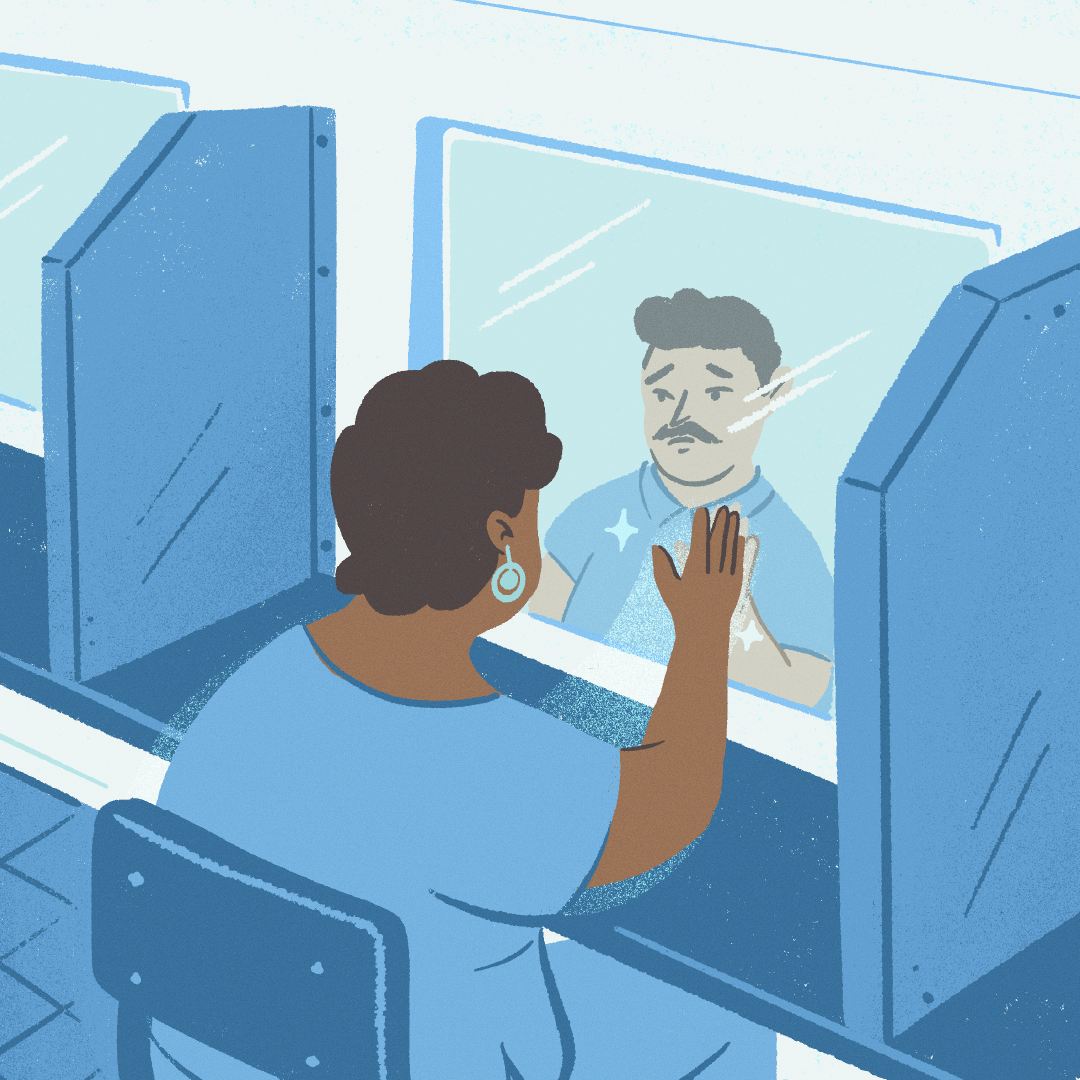
Compassion and community 

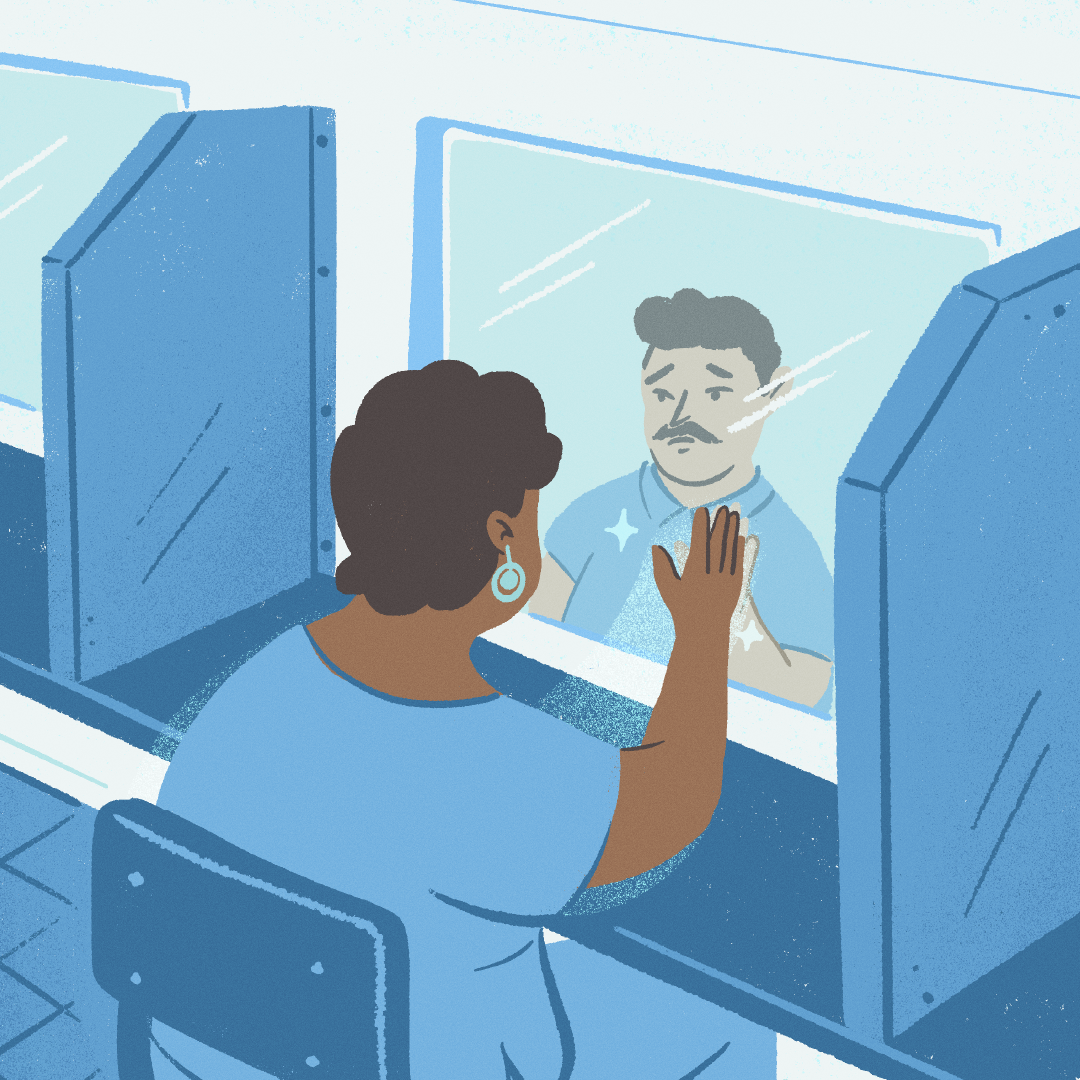
Despite the hardships, Elizabeth found friends and a sense of community among locals and migrants. Wanting to help, she became a lifeline for detained migrants and struggling families in need of mental health and emotional support.

Elizabeth and a man press their hands together against an immigration detention center visitation glass separating them, showing a moment of support and compassion.

Download high-resolution image: PNG

Struggling for dignity 

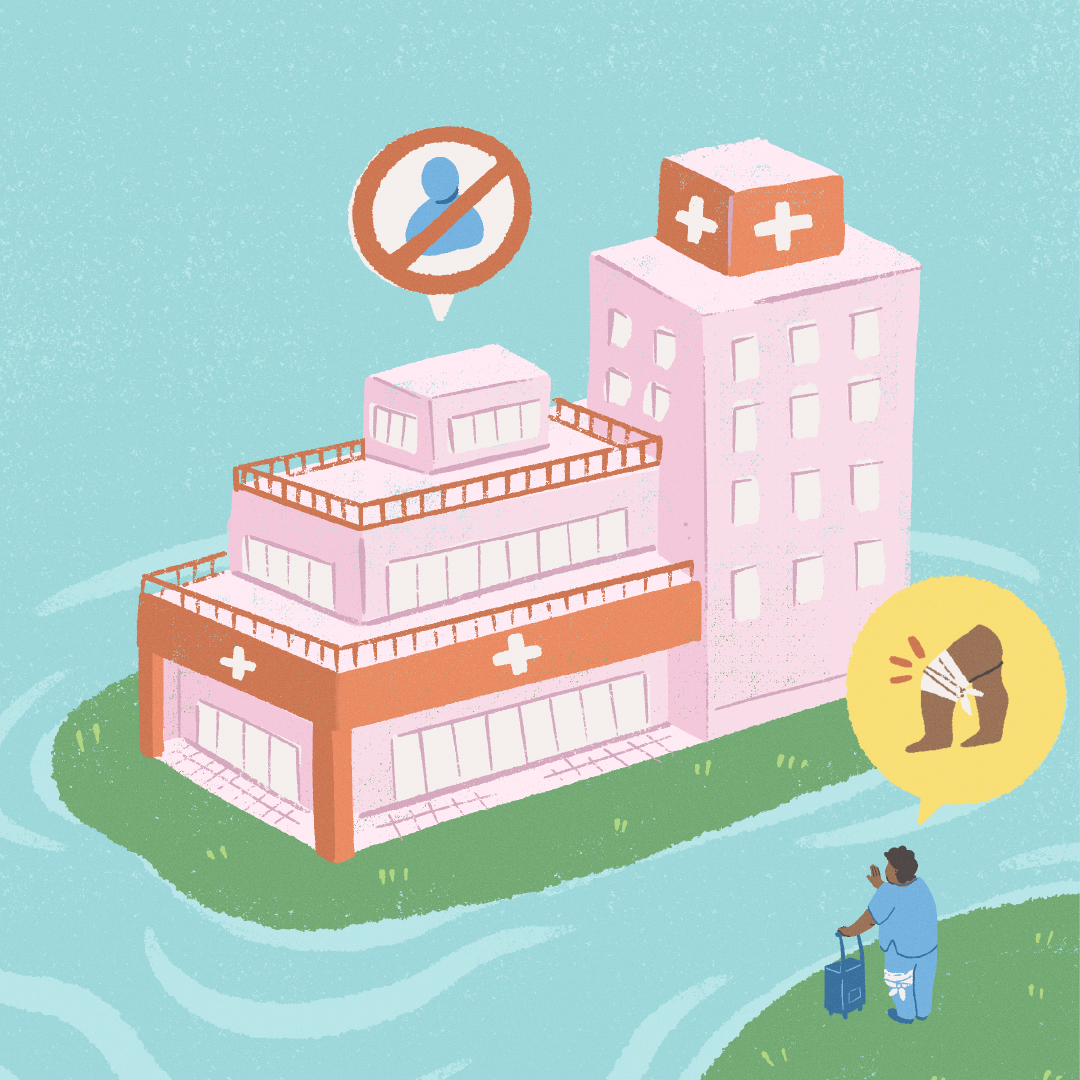
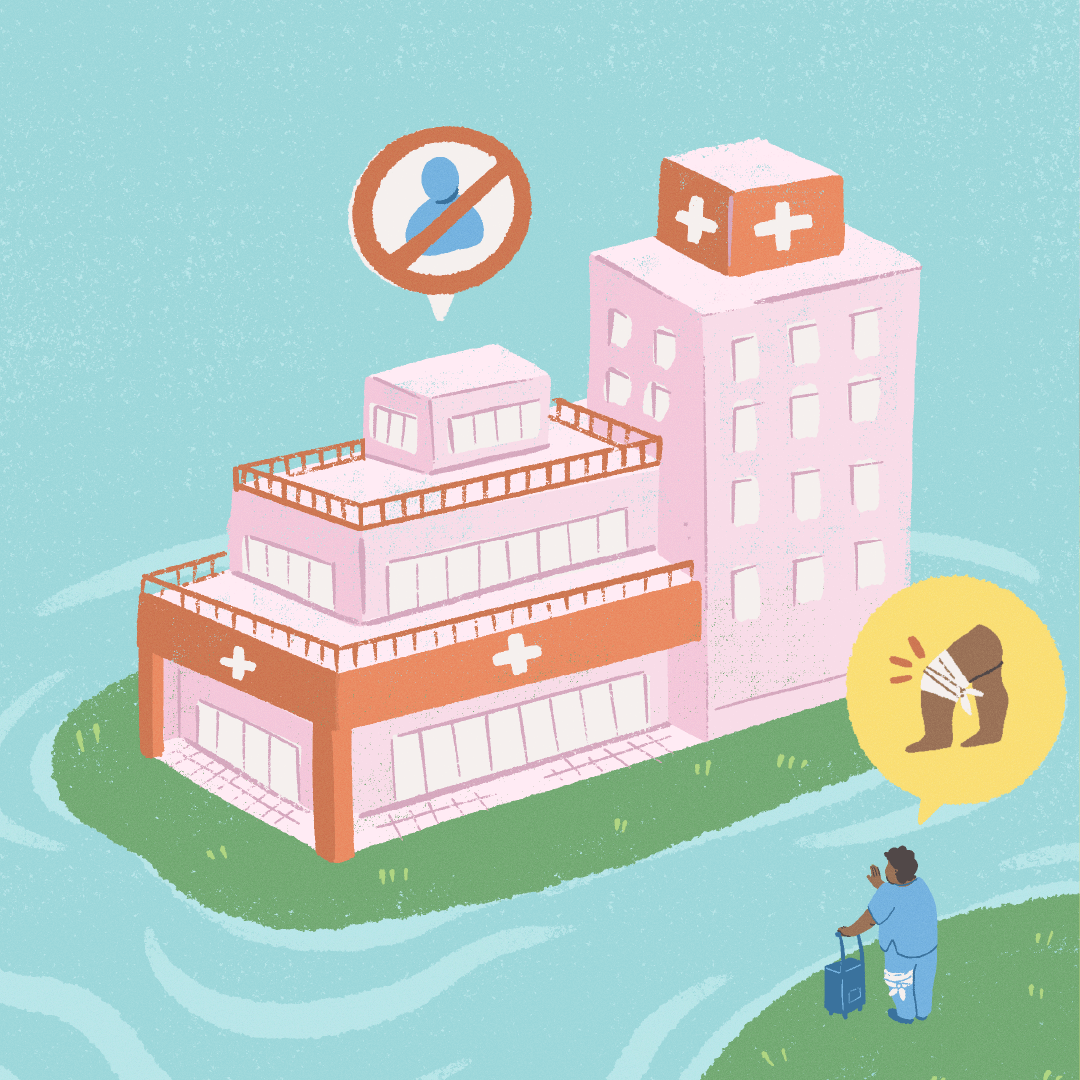
Without a regular status, Elizabeth was not allowed to work and relied on a volunteer center for food and housing. She also lacked health insurance, making it impossible to get treatment for her disability and chronic health issues.

Elizabeth stands outside a hospital sitting on an island without a bridge. A no-entry symbol emphasises she is not granted access. There is a bandage on her leg, and she uses a suitcase to support her walking, indicating her disability.

Download high-resolution image: PNG

Stuck in uncertainty

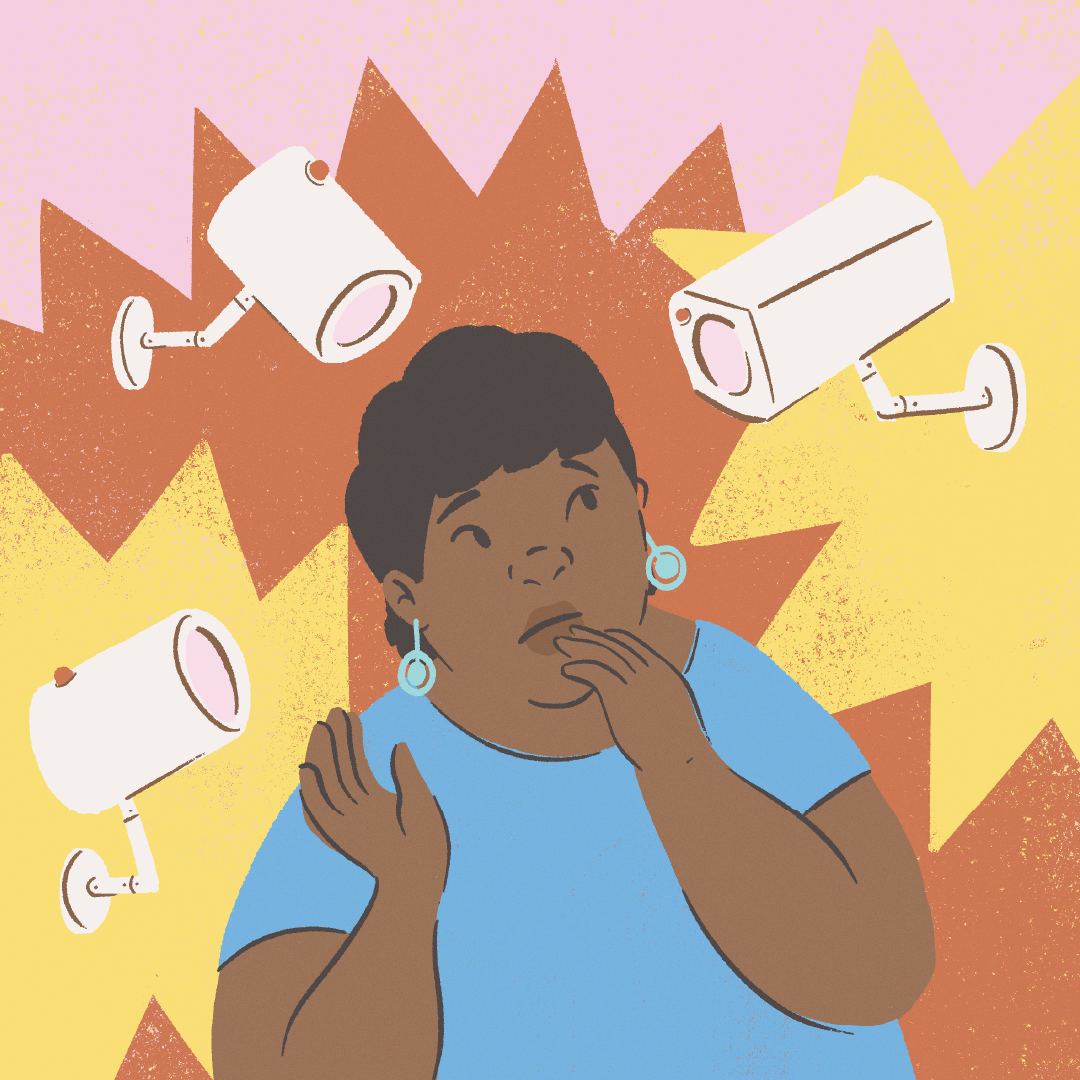
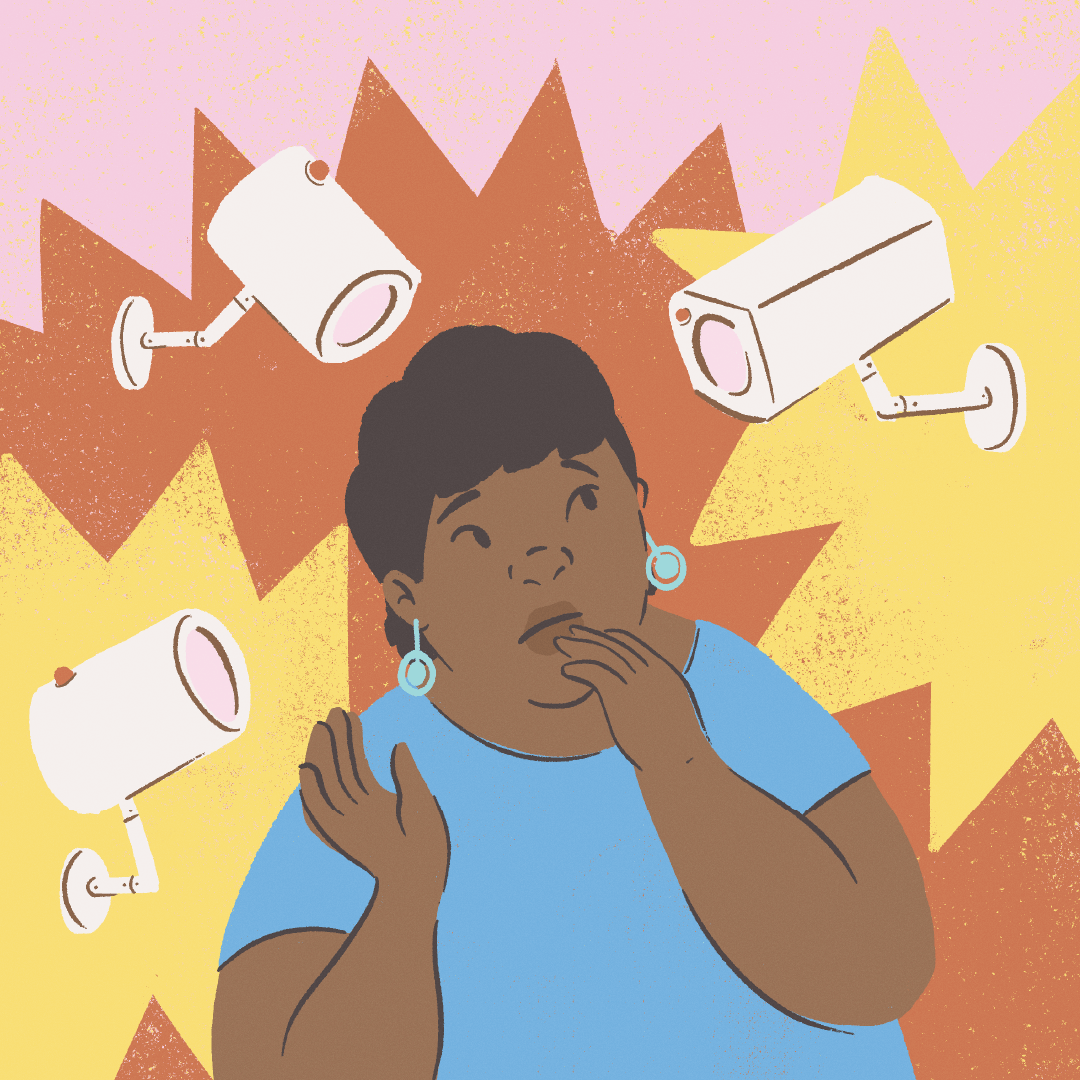
Elizabeth lived with constant fear that everything she had built could be taken away in an instant. Without regular status, she was always at risk of detention and not being able to support her community.

Elizabeth is surrounded by three security cameras pointed towards her. She looks anxious and worried.

Download high-resolution image: PNG

Coming together for change

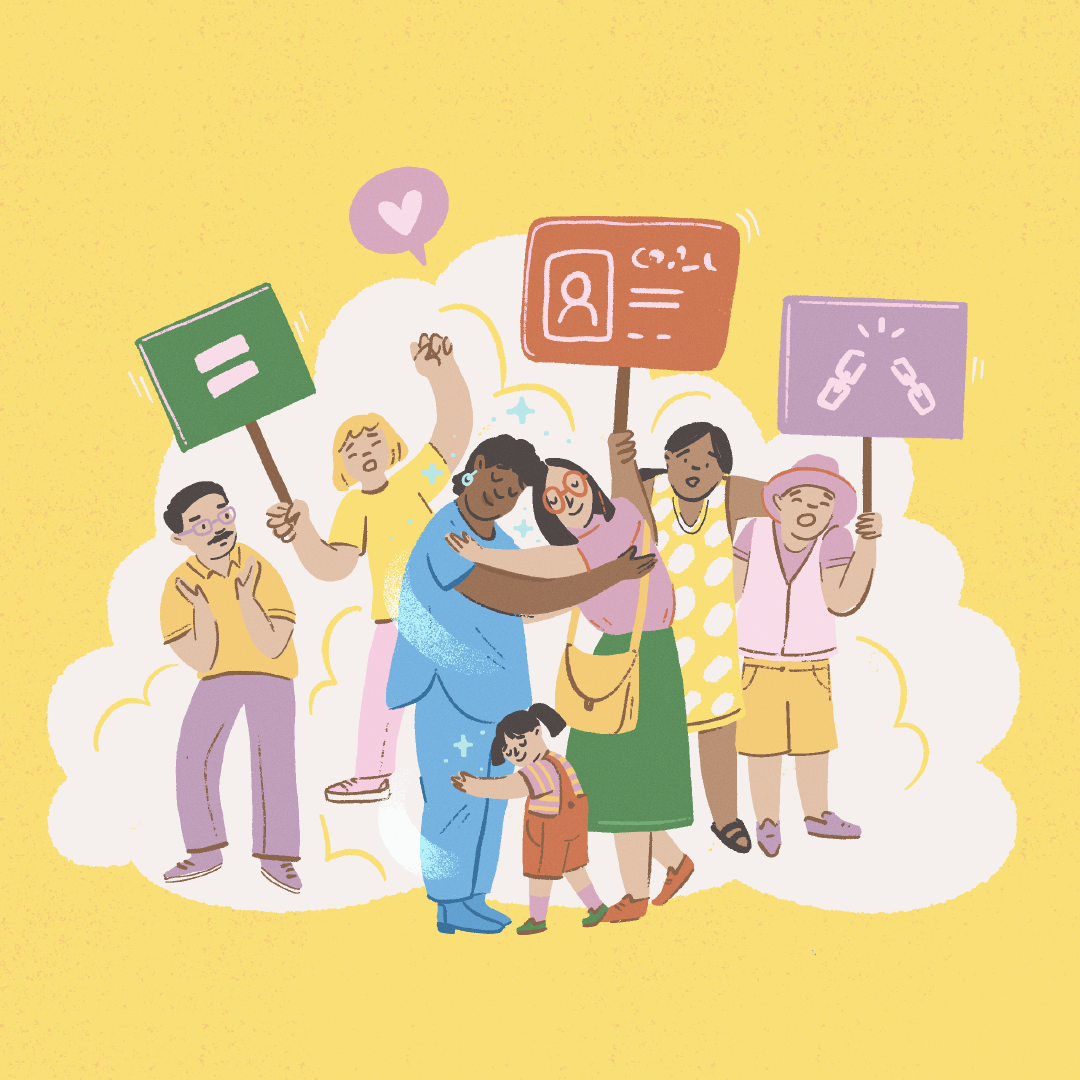
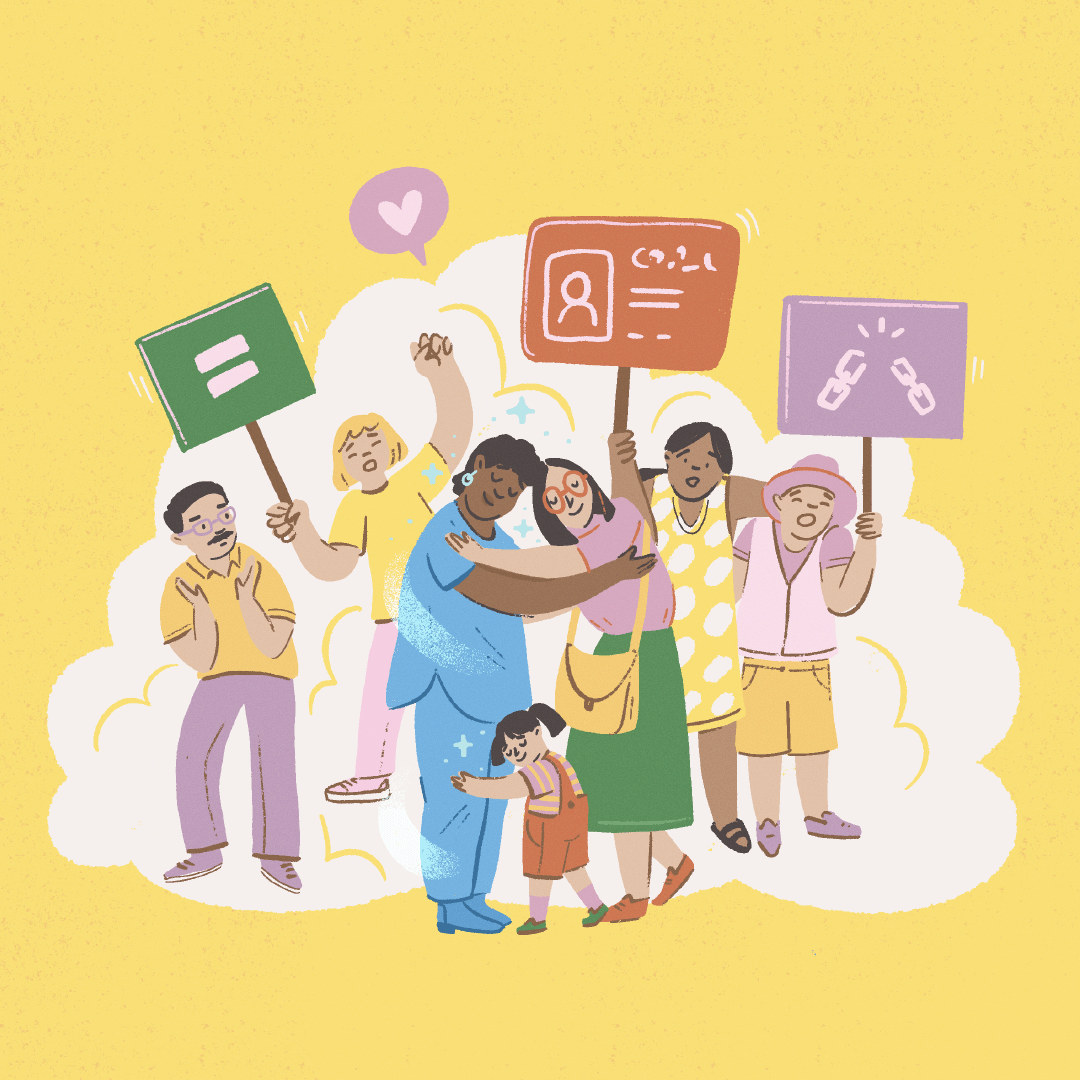
Elizabeth's community believed it was unjust and inhumane for her to be treated unfairly and to live in uncertainty. They wanted to help her and others like her and demanded a fair migration system where everyone had a chance to live safely and securely.

Elizabeth is surrounded by diverse community members, holding signs of support during their peaceful assembly to advocate for her regularisation.

Download high-resolution image: PNG

Authorities listen

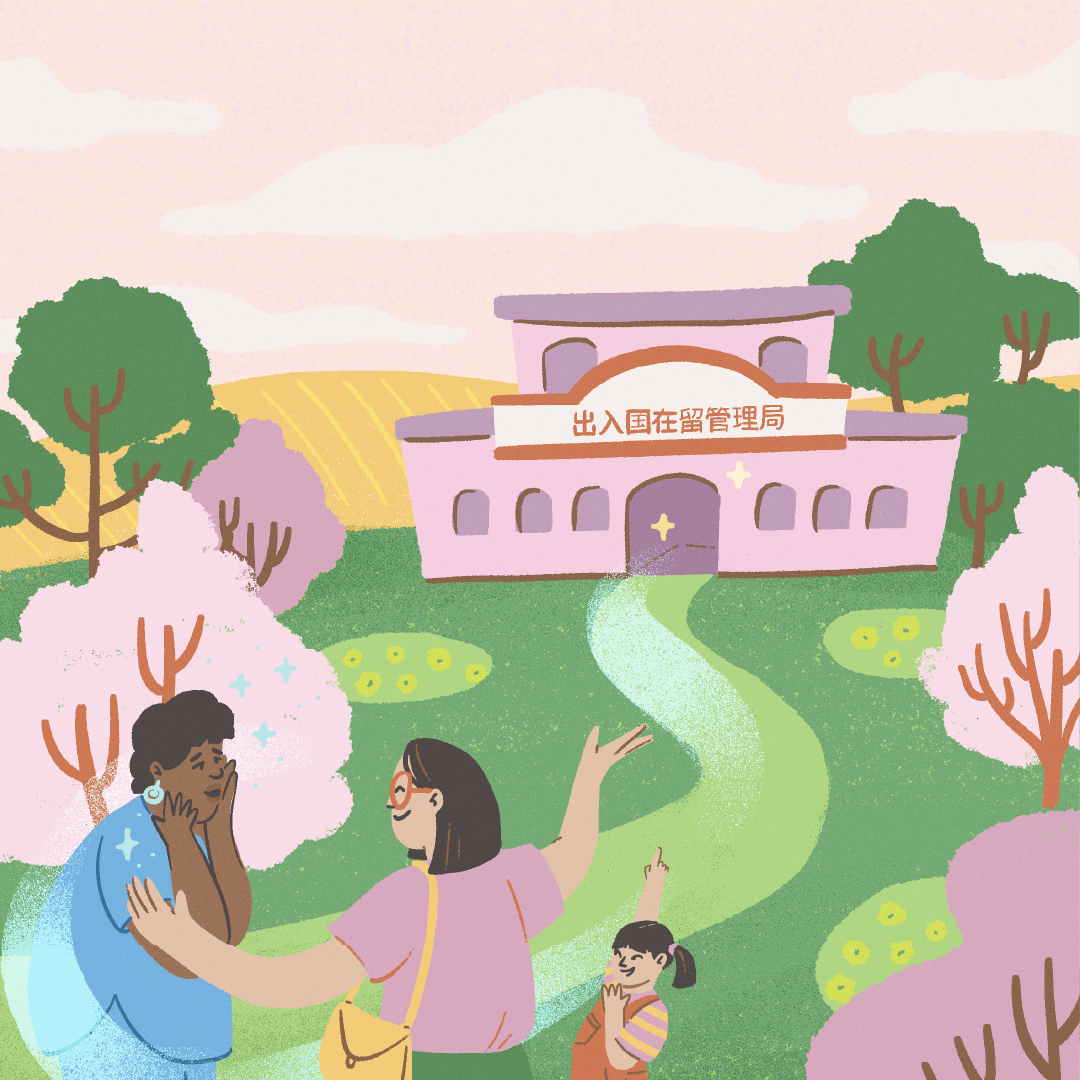
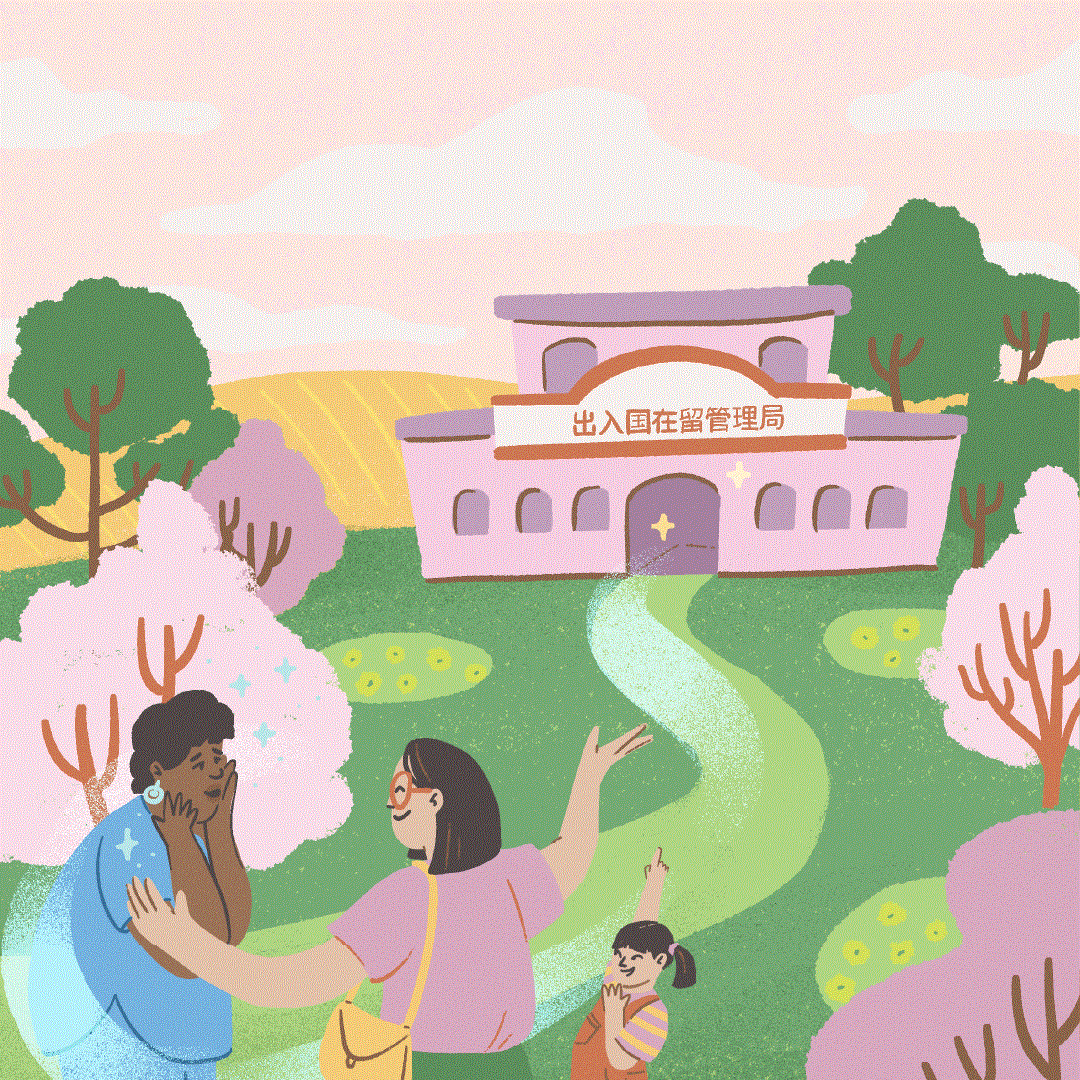
Hearing Elizabeth’s story, authorities realized the system needed to change. No one should be trapped in uncertainty without a way to regularize their status and everyone has the right to be treated with dignity and compassion.

A smiling woman and girl show Elizabeth the path to the local immigration office.

Download high-resolution image: PNG

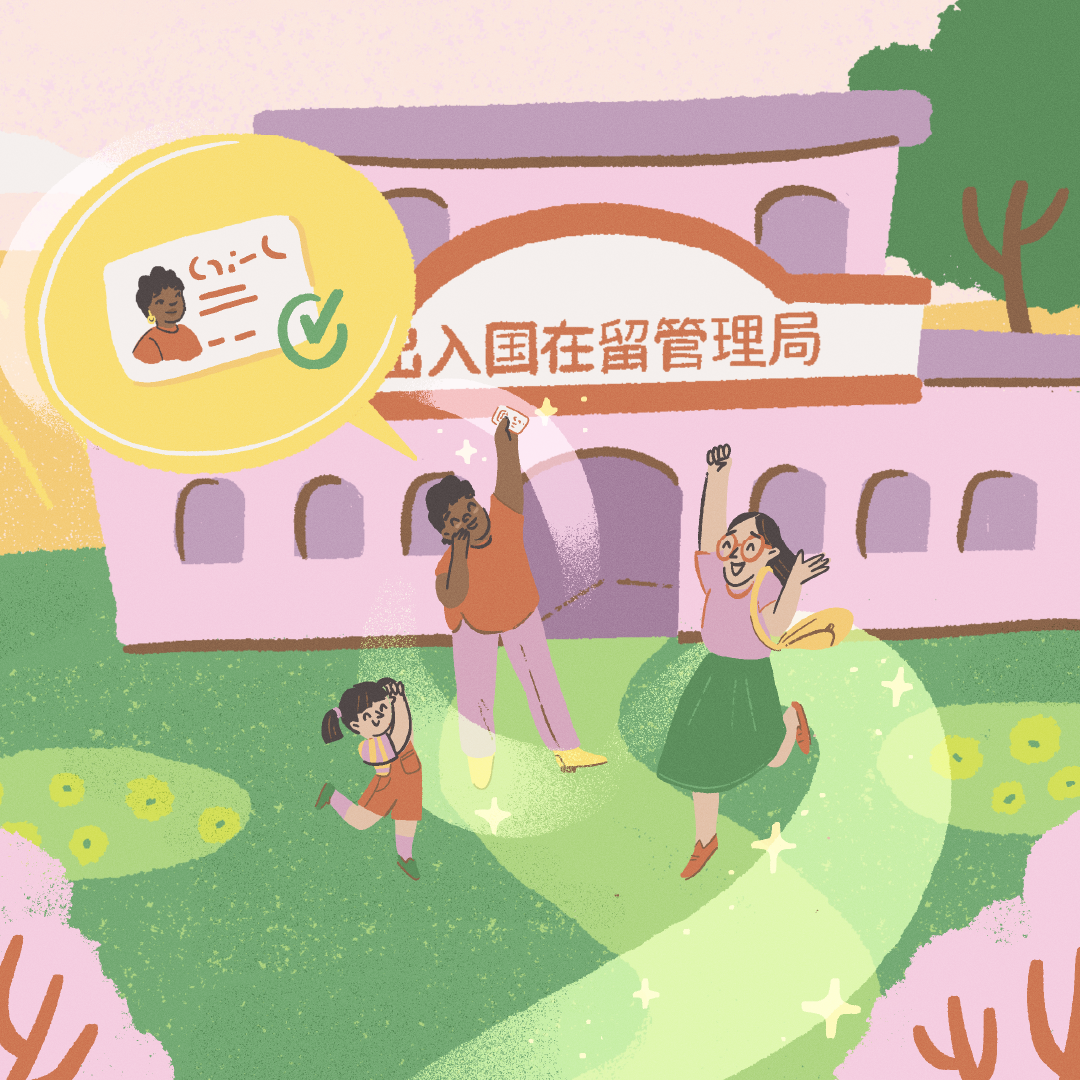
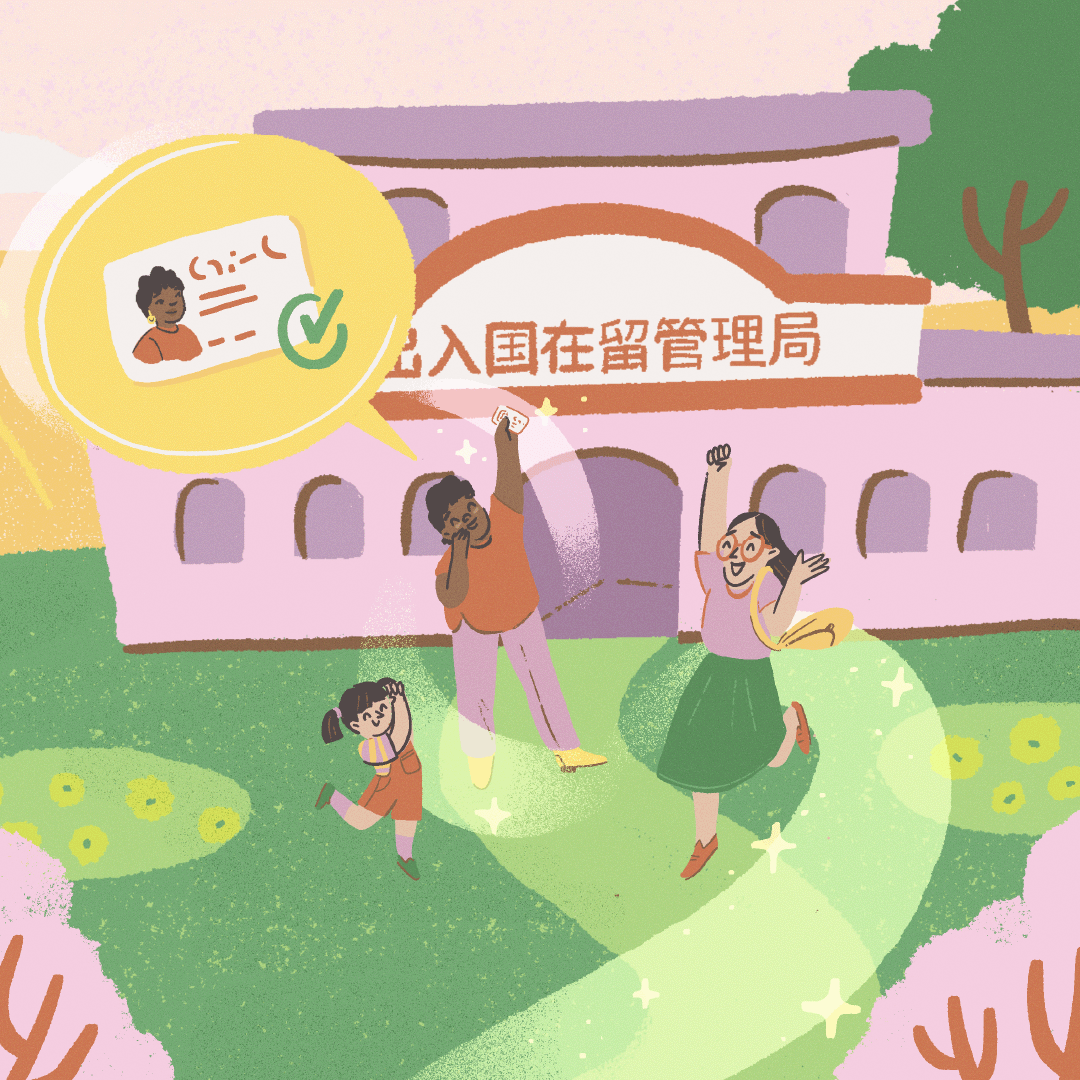
Pathway for regular status created

Together, they created a new system where Elizabeth and others could apply for regular status based on human rights and humanitarian reasons. With clear pathways for regular status in place, everyone started to trust the system more.

Elizabeth, the woman and the girl look happy and celebrate Elizabeth receiving her identity card from the immigration office, indicating she has obtained a pathway to regularization.

Download high-resolution image: PNG

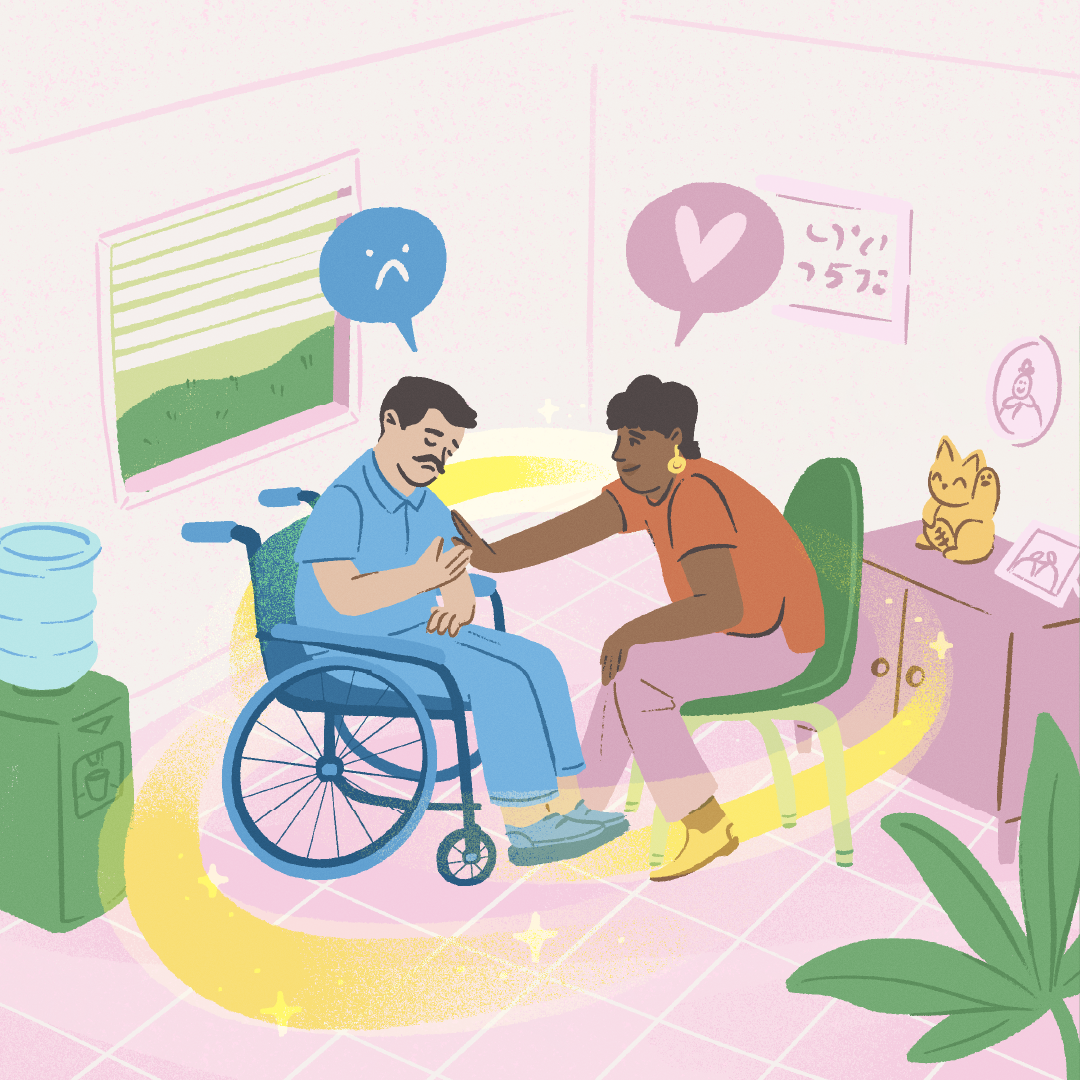
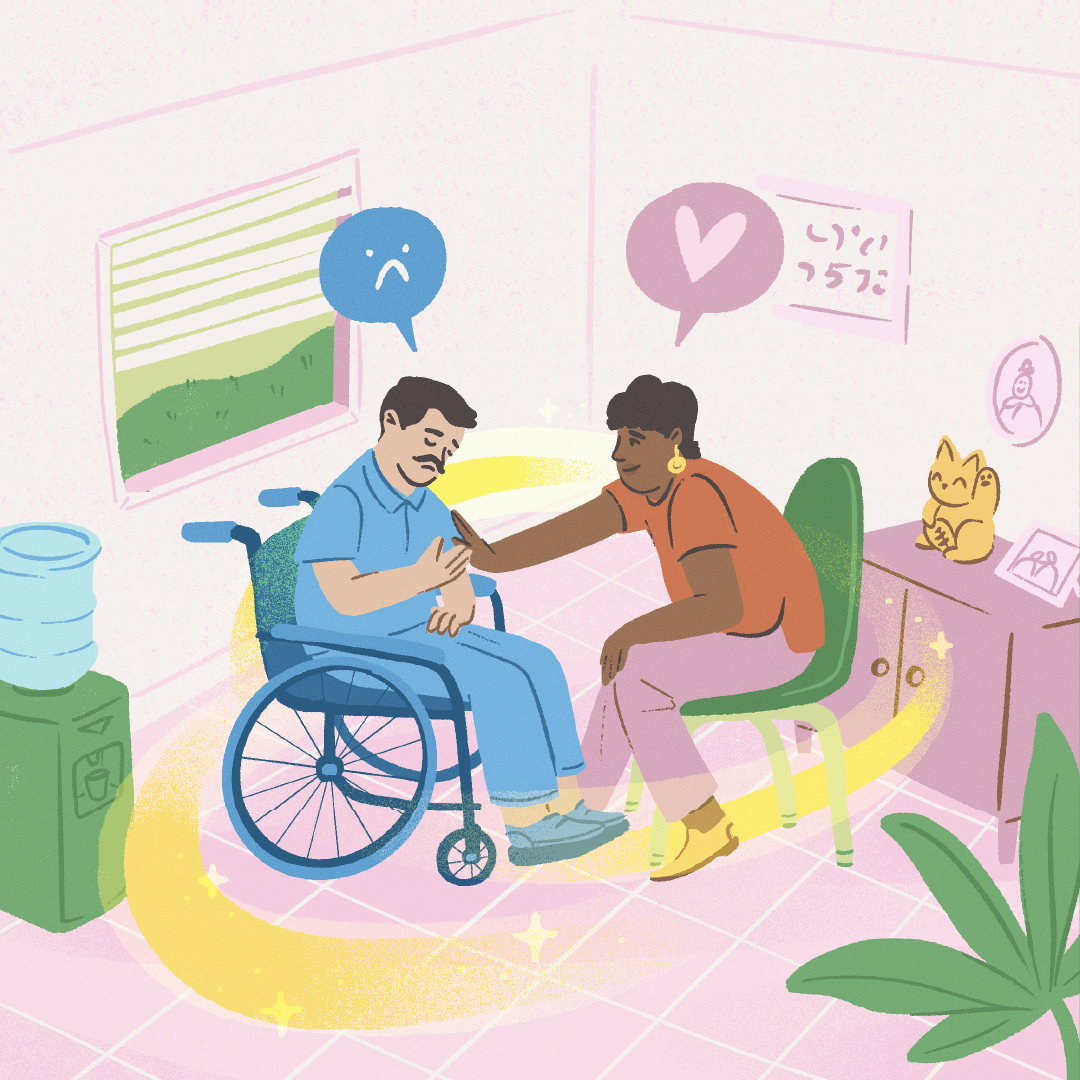
A life of hope

With secure regular status, Elizabeth could finally work, care for herself, and access medical treatment. Feeling safe, she could support more people, inspiring others to build a kinder community.

Elizabeth leans in to provide support to the same man earlier pictured in an immigration detention center, now in a welcoming room in the community. The man is in a wheelchair.

Download high-resolution image: PNG

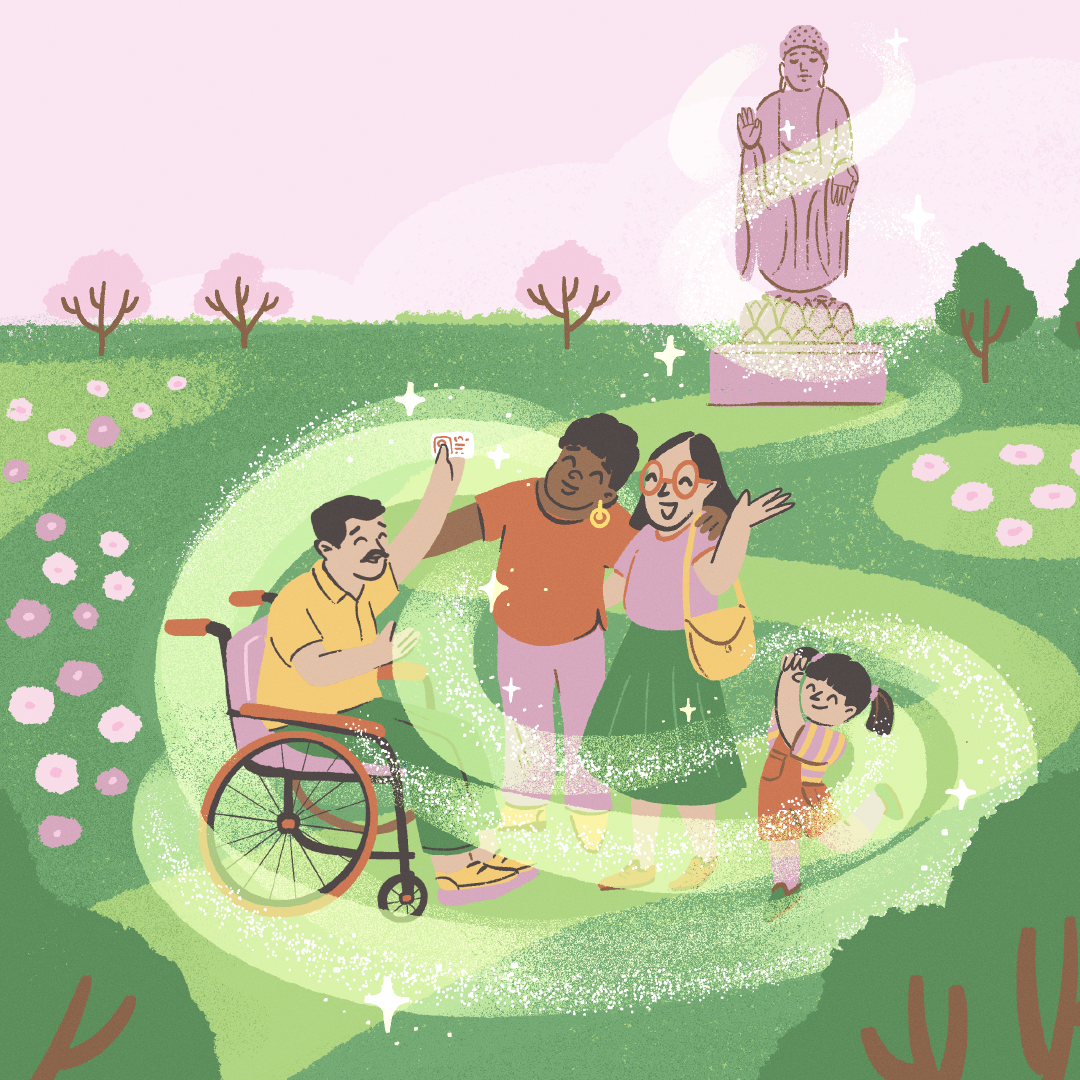
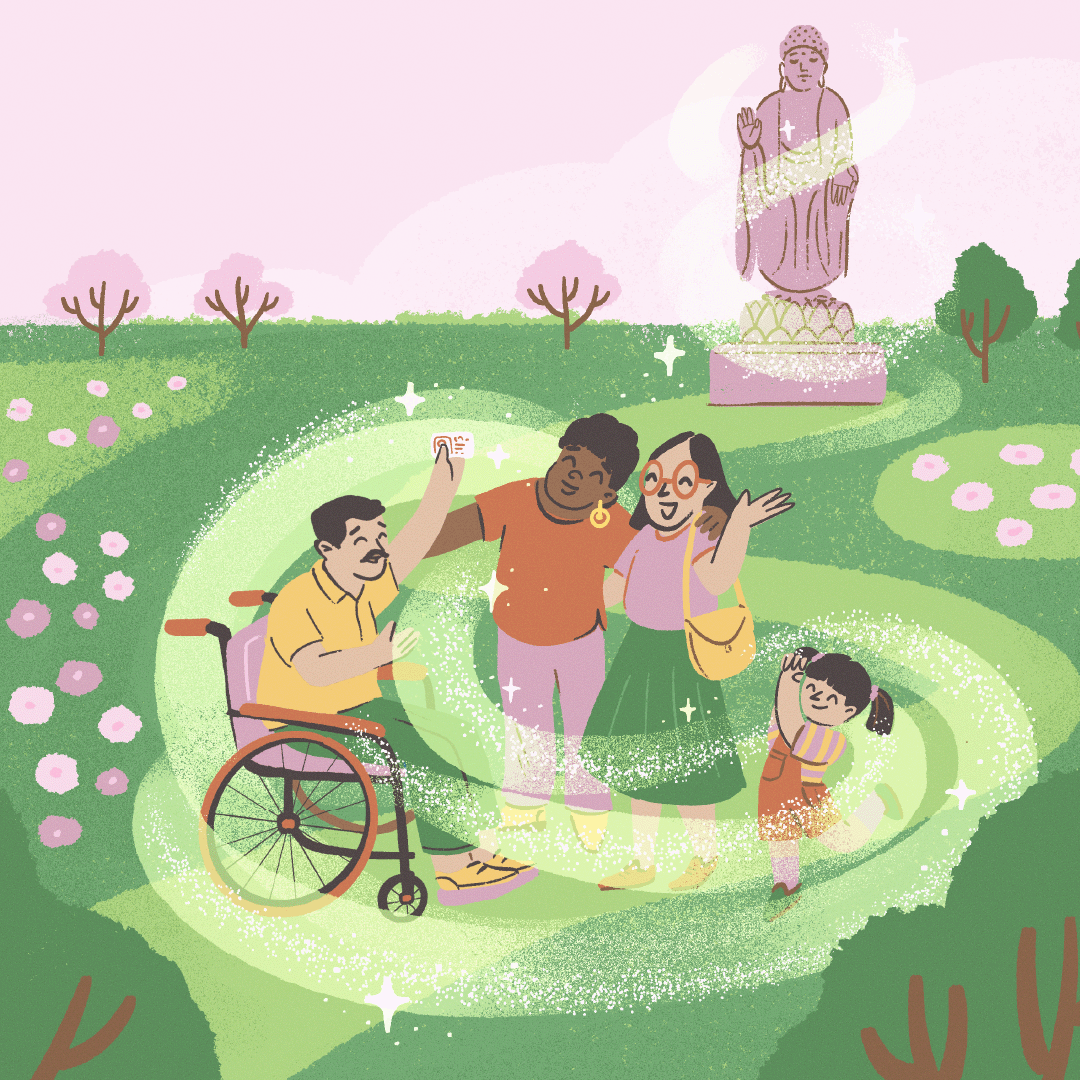
A brighter future

By standing together and taking action for change, the community found new ways to thrive and proved that fairness, equal rights and dignity are a sure pathway to a brighter future for all.

Elizabeth, the man in the wheelchair, the woman and the girl celebrate that the man holds his identity card, indicating he also has received a stable regular migration status.

Download high-resolution image: PNG

Thanks

This hopeful ending has not yet been realized. Elizabeth has still not been granted refugee or humanitarian status and remains in extremely precarious conditions. We are grateful to Elizabeth and the “With Elizabeth” coalition for co-creating these materials with us, and for their continued efforts to support Elizabeth and advocate for the possibility of regularizing her status in the future.

UN Human Rights chooses to tell Elizabeth's story through a hope-based lens to show not only the harsh reality, but also human rights-based solutions and the possibility of change—illustrating what a just and compassionate society could look like when protection pathways are opened, and inspiring people and governments alike to help make that future real.

Take action

Join us to #StandUp4Migrants and #WithRefugees and call for safe and regular migration pathways for people on the move. You can download the images and share them, crediting the artist Magda Castría.

To find out more about how to help change the narrative on migration and the human rights of people on the move, visit the UN Human Rights Toolbox.

To understand the range of human rights concerns and proposed solutions for human rights-based pathways for migration, read our key messages on regular migration pathways (non-paper).
VIEW THIS PAGE IN: