
Group of Human Rights Experts on Nicaragua
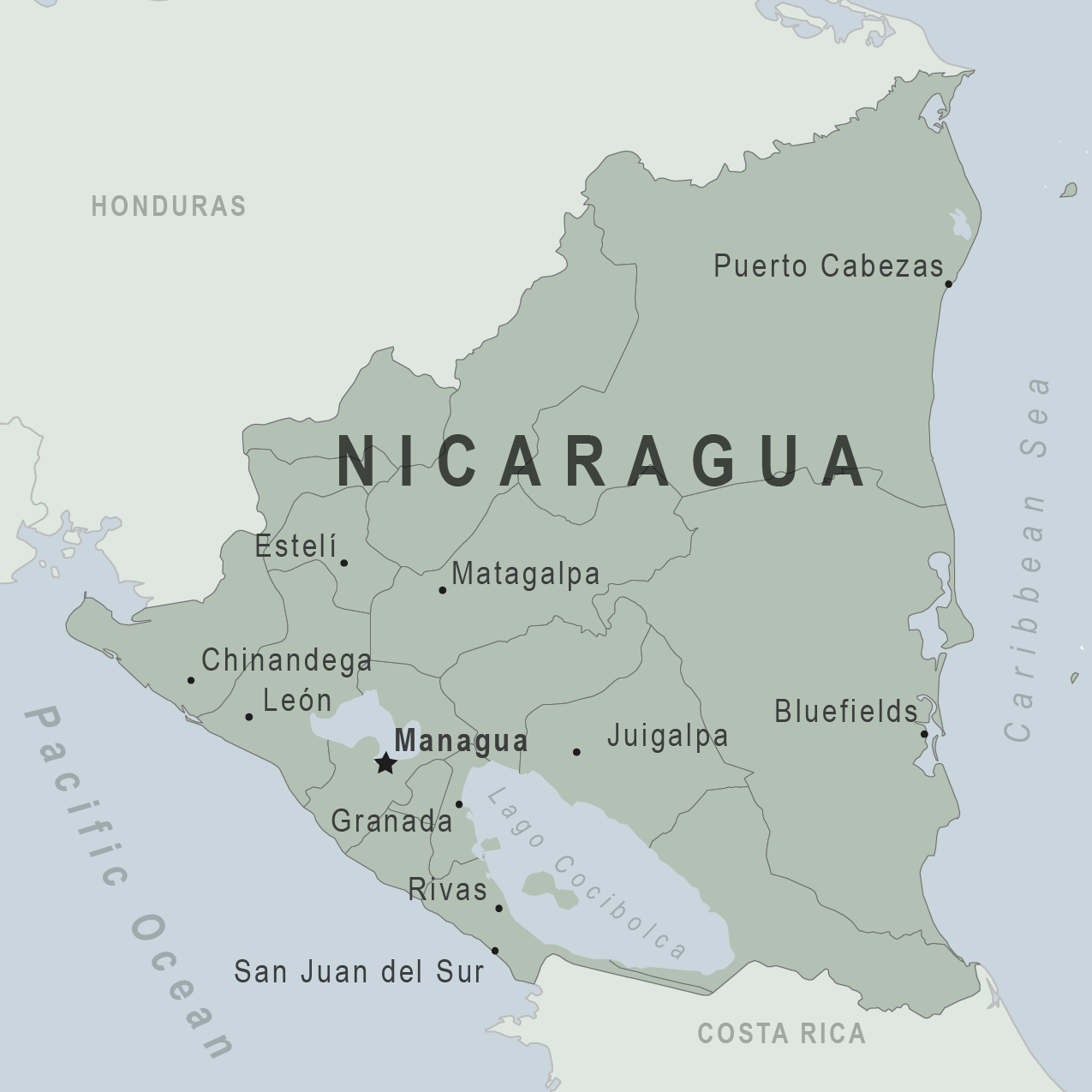 On 31 March 2022, the Human Rights Council established through resolution 49/3 a group of three human rights experts on Nicaragua for a period of one year to investigate all alleged human rights violations and abuses committed in Nicaragua since April 2018. The mandate of the Group of Experts was extended by the Council through resolution 52/2 for a period of two years, and again through resolution A/HRC/RES/58/18 for an additional period of two years.
Check the information leaflet on the Group of Experts
English | Español
Mandate
On 31 March 2022, the Human Rights Council established through resolution 49/3 a group of three human rights experts on Nicaragua for a period of one year to investigate all alleged human rights violations and abuses committed in Nicaragua since April 2018. Specifically, the Council mandated the Group of Experts to:
(a) To conduct thorough and independent investigations into all alleged human rights violations and abuses committed in Nicaragua since April 2018, including the possible gender dimensions of such violations and abuses, and their structural root causes;
(b) To establish the facts and circumstances surrounding the alleged violations and abuses, to collect, consolidate, preserve and analyse information and evidence and, where possible, to identify those responsible, and to make such information accessible and usable in support of ongoing and future accountability efforts;
(c) To make recommendations with a view to improving the situation of human rights, to provide guidance on access to justice and accountability, as appropriate, and to ensure a victim-centred approach, including by addressing the impact of multiple and intersectional forms of discrimination;
(d) To engage with all relevant stakeholders, including the Government of Nicaragua, the Office of the High Commissioner, international human rights organizations, relevant United Nations agencies and civil society, with a view to exchanging information, as appropriate, and providing support for national, regional and international efforts to promote accountability for human rights violations and abuses in Nicaragua.
The mandate of the Group of Experts was extended by the Council through resolution 52/2 for a period of two years, and again through resolution A/HRC/RES/58/18 for an additional period of two years.
The Council requested the Group of Experts to:
- Present an oral update to the Council at its sixtieth session (September-October 2025).
- Present its most recent report, in combination with an oral update on its work, to the General Assembly at its eightieth session (October 2025), followed by an interactive dialogue.
- Submit a comprehensive report to the Council at its sixty-first session (February-April 2026), during an interactive dialogue.
- Present an oral update to the Council at its sixty-third session (September-October 2026).
- Present its most recent report, in combination with an oral update on its work, to the General Assembly at its eighty-first session (October 2026), followed by an interactive dialogue.
- Submit a comprehensive report to the Council at its sixty-fourth session, during an interactive dialogue (February-April 2027).
Call for submissions
The Group of Human Rights Experts on Nicaragua (hereafter the “GHREN”) invites individuals, groups, and organizations to submit information and documentation relevant to its mandate.
In accordance with its mandate, the Group of Experts is interested in receiving information related to alleged human rights violations and abuses committed in Nicaragua since April 2018, including the possible gender dimensions and structural root causes of such violations and abuses and identification of those responsable.
The GHREN suggests individuals, groups and organizations wishing to submit information to kindly use the template designed for this purpose. Information can be submitted in Spanish and/or English. In any case, the information and documentation must include the name or names and contact information of the sender(s), and must specify whether the information, or part of it, must be treated as confidential, so that it cannot be shared with other international or national entities, and/or used in the public report that will be presented to the UN Human Rights Council.
It is highly recommended to send submissions as early as possible, so that the information can be taken into account for the preparation of the final report of the GHREN, considering the resources available.
The GHREN attaches the utmost importance to the protection of sources, notably concerning the respect for confidentiality and the ‘do no harm’ principle (not to jeopardize the life, safety, freedom and well-being of victims, witnesses and other cooperating persons).
In order to preserve the security and confidentiality of the information submitted, the GHREN recommends submitting information via e-mail (ghren@un.org) or through the secure cloud created for this purpose. Please upload the template to the cloud, along with any relevant attachments (documents, images, video, audio and other files). If possible, and especially when confidential information is to be shared by email, the use of secured email channels (e.g. tutanota, hushmail or virtru or other encrypted emails) is recommended.
Should you have any questions, please contact the Group of Human Rights Experts on Nicaragua at ghren@un.org. Please note that individual acknowledgements of receipt of information will not be sent to the author(s). The GHREN will prioritize review of information provided through the template. It should be noted that not all information sent to the GHREN will necessarily be reflected in the final report. In particular, cases alleging violations falling outside the mandate will not be considered.
Documentation
Resolutions
- Human Rights Council resolution 58/18: Promotion and protection of human rights in Nicaragua [Extension of the mandate]
3 April 2025 - Human Rights Council resolution 52/2: Promotion and protection of human rights in Nicaragua [Extension of the mandate]
3 April 2023 - Human Rights Council resolution 49/3: Promotion and protection of human rights in Nicaragua [Establishment of the mandate]
31 March 2022
Reports
- The anatomy of State cruelty – Enforced disappearance and death in custody in Nicaragua (A/HRC/63/CRP.3)
22 September 2026
English | Español - Nicaragua: Repression through a Gender Lens - Women and Human Rights Violations
18 June 2026
English | Español - Executive summary: Repression through a Gender Lens
English | Español - Report of the Group of Human Rights Experts on Nicaragua (A/HRC/61/56)
6 February 2026 (Published 10 March 2026)
English | Español - Nicaragua: Persecution Beyond Borders Exile and Transnational Human Rights Violations
23 September 2025
English | Español - Institutions and individuals responsible for the main patterns of human rights violations and abuses and crimes perpetrated in Nicaragua since April 2018 (A/HRC/58/CRP.8)
3 April 2025
English | Español - Report of the Group of Human Rights Experts on Nicaragua (A/HRC/58/26)
26 February 2025
English | Español - Violaciones y abusos de los derechos humanos a la educación, la libertad académica y otros derechos fundamentales contra estudiantes, docentes, directivos académicos y otro personal universitario (A/HRC/55/CRP.6)
6 November 2024
Español - Violaciones y abusos de los derechos humanos de los Pueblos Indígenas y afrodescendientes de la Costa Caribe de Nicaragua – Grupo de Expertos en Derechos Humanos sobre Nicaragua (A/HRC/55/CRP.7)
10 September 2024
Español - Violaciones y abusos de los derechos humanos contra miembros de la Iglesia católica y otras denominaciones cristianas en Nicaragua – Grupo de Expertos en Derechos Humanos sobre Nicaragua (A/HRC/55/CRP.5)
22 July 2024
Español - Violaciones y abusos de los derechos humanos de las personas campesinas en Nicaragua - Grupo de Expertos en Derechos Humanos sobre Nicaragua (A/HRC/55/CRP.4)
4 March 2024
Español - Violaciones de los derechos humanos a la libertad de circulación y a la nacionalidad - Grupo de Expertos en Derechos Humanos sobre Nicaragua (A/HRC/55/CRP.3)
29 February 2024
Español - Report of the Group of Human Rights Experts on Nicaragua (A/HRC/55/27)
28 February 2024
English | Español - Detailed Conclusions of the Group of Human Rights Experts on Nicaragua (A/HRC/52/CRP.5)
7 March 2023
English | Español - Report of the Group of Human Rights Experts on Nicaragua (A/HRC/52/63)
2 March 2023
English | Español
Oral updates
- Oral update of the Group of Human Rights Experts on Nicaragua: Statement by Jan-Michael Simon, Chair of the Group at the 63rd session of the Human Rights Council
22 September 2026
English | Español - Oral update of the Group of Human Rights Experts on Nicaragua, Statement by Jan-Michael Simon, chair of the Group of Human Rights Experts on Nicaragua, to the General Assembly's 3rd Committee in New York
30 October 2025
English | Español - Oral update: Statement by Jan-Michael Simon, Chair of the Group of Human Rights Experts on Nicaragua, at the 60th session of the Human Rights Council
23 September 2025
English | Español - Oral update of the Group of Human Rights Experts on Nicaragua: Statement by Jan-Michael Simon, Chair, at the 57th session of the Human Rights Council
10 September 2024
English | Español - Oral update of the Group of Human Rights Experts on Nicaragua: Statement by Jan-Michael Simon, Chair, at the 54th session of the Human Rights Council
12 September 2023
English | Español
Correspondence (2022-2026)
In accordance with its mandate, the Group of Human Rights Experts on Nicaragua keeps communication with all relevant Stakeholders, including the Government of Nicaragua, exchanging information and providing support for national, regional and international efforts to promote accountability for human rights violations and abuses in Nicaragua. More Information here.
Press releases
Press releases
Nicaragua: IACHR and GHREN stress that human rights are the foundation of democracy, and democracy is the essential condition for free and fair elections
Nicaragua: Wave of enforced disappearances and deaths in custody reveals repression at the heart of the State, say UN experts
Nicaragua: UN Group of Experts decries mass revocation of lawyer credentials, warning of severe blow to human rights
Nicaragua has used gender as an instrument of political repression, affirms UN Group of Experts
Nicaragua: UN Group of Experts appalled by Brooklyn Rivera’s death, demands accountability
Nicaragua: UN Experts uncover corrupt financing of repression and spy network targeting exiles, demand justice and freedom
Nicaragua: UN Group of Experts urges international community to hold Government accountable for rights violations and protect Nicaraguans in exile
Nicaragua: UN Group of Experts condemns murder of prominent political opponent exiled in Costa Rica
Statements
Statement by Ariela Peralta Distéfano, Member of the Group of Human Rights Experts on Nicaragua, at the 193rd regular session of the Inter-American Court of Human Rights (provisional measures hearing CDH-S/492)
19 August 2026
Español
Statement by Ariela Peralta Distéfano, Member of the Group of Human Rights Experts on Nicaragua, at the 193rd regular session of the Inter-American Court of Human Rights (provisional measures hearing CDH-S/490)
19 August 2026
Español
Statement by Ariela Peralta Distéfano, Member of the Group of Human Rights Experts on Nicaragua, at the 195th period of sessions of the Inter-American Commission on Human Rights
12 March 2026
Español
Concluding remarks by Reed Brody, Member of the Group of Human Rights Experts on Nicaragua, at the 61st session of the Human Rights Council
16 March 2026
English | Español
Statement by Jan-Michael Simon, Chair of the Group of Human Rights Experts on Nicaragua, at the 61st session of the Human Rights Council
16 March 2026
English | Español
Statement by Jan-Michael Simon, chair of the Group of Human Rights Experts on Nicaragua, to the General Assembly's 3rd Committee in New York
30 October 2025
English | Español
Statement by Ariela Peralta Distéfano, Member of the Group of Human Rights Experts on Nicaragua, at the 193rd period of sessions of the Inter-American Commission on Human Rights
25 July 2025
Español
Statement by Jan-Michael Simon, Chair of the Group of Human Rights Experts on Nicaragua, at the 58th session of the Human Rights Council
28 February 2025
Español
Statement by Ariela Peralta Distéfano, Member of the Group of Human Rights Experts on Nicaragua, at the provisional measures hearing of the Interamerican Court of Human Rights concerning CDH-S/028 – Case Juan Sebastián Chamorro et al. regarding Nicaragua
4 February 2025
Español
Statement by Jan-Michael Simon, Chair of the Group of Human Rights Experts on Nicaragua, at the 191st period of sessions of the Inter-American Commission on Human Rights
14 November 2024
English | Español
Statement by Jan-Michael Simon, Chair of the Group of Human Rights Experts on Nicaragua, at the 55th session of the Human Rights Council
29 February 2024
English | Español
Statement by Jan-Michael Simon, Chair of the Group of Human Rights Experts on Nicaragua, at the 52nd session of the Human Rights Council
6 March 2023
English | Español
Frequently asked questions
1. Establishment
The Group of Human Rights Experts on Nicaragua (GHREN) was created for a period of one year by Resolution 49/3 on the promotion and protection of human rights in Nicaragua, adopted by the United Nations (UN) Human Rights Council (HRC) on 31 March 2022.
2. Mandate
The HRC mandated the GHREN:
- to submit a report to the HRC at its fifty-second session (February/March 2023);
- to conduct thorough and independent investigations into all alleged human rights violations and abuses committed in Nicaragua since April 2018, including the possible gender dimensions of such violations and abuses, and their structural root causes;
- to establish the facts and circumstances surrounding the alleged violations and abuses, to collect, consolidate, preserve and analyze information and evidence and, where possible, to identify those responsible, and to make such information accessible and usable in support of ongoing and future accountability efforts;
- to make recommendations with a view to improving the situation of human rights, to provide guidance on access to justice and accountability, as appropriate, and to ensure a victim-centered approach, including by addressing the impact of multiple and intersectional forms of discrimination; and
- to engage with all relevant stakeholders, including the Government of Nicaragua, the Office of the UN High Commissioner for Human Rights (OHCHR), international human rights organizations, relevant UN agencies and civil society, with a view to exchanging information, as appropriate, and providing support for national, regional and international efforts to promote accountability for human rights violations and abuses in Nicaragua.
3. Composition
- Members of the GHREN. The Group is comprised of the following three Experts appointed by the President of the HRC to serve in their personal capacities: Jan-Michael Simon (Germany), Chairperson of the GHREN, Alexandro Álvarez (Chile) and Ángela María Buitrago (Colombia).1
- The Secretariat. OHCHR provides technical support to the GHREN through a Secretariat headed by a Coordinator and comprised of human rights experts in various fields that include, in principle, investigations, reporting and analysis, law, Sexual and Gender-Based Violence (SGBV), and victim/witness protection. The Secretariat is based in Panama City, Panama. The Coordinator joined the Secretariat on 2 July. The recruitment of the rest of the Secretariat staff is ongoing.
4. Funding
Being mandated by a resolution of the HRC, funding for the GHREN is through the regular budget of the UN. The three members of the GHREN are professional volunteers who do not receive any remuneration. The Secretariat is staffed with UN personnel. The UN assumes the costs of transportation and lodging in the different cities to which the GHREN must travel.
The GHREN has the smallest Secretariat of current HRC mandated investigatory mechanisms. OHCHR had recommended to establish 12 positions to staff the Secretariat, including: one coordinator, one investigation team leader, one gender adviser/investigator, one reporting officer, one media adviser (2023 only), one legal officer, one victim protection officer, two investigators, one security sector adviser, one information and evidence officer, and one administrative officer. The UN General Assembly’s Advisory Committee on Administrative and Budgetary Questions (ACABQ) has recommended the approval for the year 2022 to finance 10 instead of the recommended 12 positions, cutting the positions of the legal officer and the security sector adviser. The General Assembly’s Fifth Committee has followed the ACABQ recommendation. The Fifth Committee is charged with overseeing the budget of the entire UN.
5. Legal Framework
The GHREN will apply International Human Rights Law and International Criminal Law. It will also consider other obligations under international law, as applicable and where relevant. In doing so, the GHREN will apply treaty law and customary international law, as appropriate. It will also include Nicaraguan domestic law, where pertinent.
6. Standard of Proof
In accordance with the general practice of UN investigatory bodies, the GHREN will apply the standard of proof of “reasonable grounds”. This means that findings will be included in the reports where the “reasonable grounds” standard of proof has been met, namely, where based on a body of verified information, an objective and ordinary prudent observer would have reasonable grounds to conclude that the facts took place as described and, where legal conclusions are drawn, that these facts meet all the elements of a violation or abuse and any individual identified is responsible for the violation or abuse.
7. Scope of Work
The temporal and material scope of work of the GHREN is broad. The temporal scope is the period covered from April 2018 onwards. The material scope consists of all alleged human rights violations and abuses, including the possible gender dimensions of such violations and abuses, and to establish the facts, circumstances and root causes of such violations and abuses. The scope of the investigative work will take into account the time and resources available to the GHREN to carry out its work. The GHREN will take into consideration the gravity of the violations and abuses; the victims and perpetrators involved; the importance of an integrated gender perspective, and the importance of reporting larger patterns of violations and abuses. The material scope of the GHREN also includes making recommendations with a view to improving the situation of human rights in Nicaragua, in particular in relation to access to justice and accountability.
The geographical scope of work is the territory of the Republic of Nicaragua, notwithstanding the GHREN’s ability to also investigate transboundary or cross-boundary facts under customary international law.
The subjects of investigation are the individuals and entities who have allegedly been involved in human rights violations and abuses in Nicaragua and related crimes since April 2018.
8. Guiding Principles
- Independence of the GHREN and its findings. The members of the GHREN will form their own conclusions and make their own recommendations entirely independently of and separately from any other body or agency.
- Impartiality of investigations, analysis and reporting.
- Complementarity, efficiency and avoidance of duplication of work regarding other initiatives on the promotion and protection of human rights in Nicaragua, including OHCHR mandates.
- Victim-centered approach in carrying out all aspects of its mandate, enabling and facilitating victims’ informed participation in the relevant work of the GHREN, including in the development of recommendations.
- ‘Do No Harm’, including protection of victims, witnesses and other sources of information, avoiding revictimization, and taking all feasible steps within its means to protect their safety and security, during the course and as a result of their cooperation.
- Ethical standards in interviewing victims and witnesses, respecting and ensuring respect for their privacy, interests and personal circumstances, in the light of their age, sex, sexual orientation, gender and health, and taking into account the nature of the violations and abuses, in particular where they involve sexual and gender-based violence or violence against children.
- Prior and informed consent of victims, witnesses and other sources to publicize relevant information, documentation and evidence and/or to share it with competent authorities.
- Confidentiality of information, documentation and evidence, and of the sources, in line with the UN policies on information sensitivity, classification and handling.
- Verification of information and its preservation, including procedures and methods of work regarding chains of custody issues, data protection, security, information and case management and archiving, in conformity to international standards and drawn upon the good practices of other comparable international mandates.
- Safety and security for experts and secretariat staff, as well as for information gathered and sources.
- Referral of victims, witnesses and other sources in need who cooperate with the GHREN, in particular, children, women and victims of sexual and gender-based violence, to relevant bodies so that they are provided with appropriate medical and psychosocial support.
- Guidance and support for efforts to promote accountability in other jurisdictions outside the territory of Nicaragua is provided only regarding jurisdictions that respect human rights law and standards, including the right to a fair trial, and only in support of cases where the death penalty would not apply. The GHREN also generally does not provide assistance in circumstances in which a trial may be held when the defendant is not present (in absentia).
9. Collection and use of information
The GHREN will aim to securely and safely collect first-hand information, including through interviews with direct witnesses and victims of alleged human rights violations and abuses and related crimes, and interviews with other sources who can provide information about the organizational structure of entities involved in such violations and crimes and their chains of command. The GHREN will also seek to collect information and documentation relevant to its inquiries from States, relevant bodies and agencies of the UN system, the Organization of American States (OAS), civil society, the media, and other relevant actors. The GHREN will apply a differentiated methodology depending on the type of information being collected (facts, perpetrators, structures, among others) and the sources providing such information.
10. Engagement and co-ordination
The GHREN has sought to establish contact with the authorities of the Government of Nicaragua with a view to engage in a constructive dialogue and to sharing information aimed at fulfilling the mandate given by the Human Rights Council, and remains committed to engagement with authorities. Of note, on 24 May 2022 the Government of Nicaragua sent a Note Verbale to the President of the Human Rights Council indicating that it “does not accept the designation […] and does not recognize any legitimacy or legality” of the GHREN (see also Note Verbale of the Government of Nicaragua from 9 June 2022).
The GHREN engages with civil society. It coordinates with OHCHR, including its Regional Office for Central America (ROCA), and also looks forward to engage with other national, regional, and international entities/organizations in carrying out all aspects of its mandate, including the exchange of information with the OAS and the Inter-American Human Rights System.
1 - Appointed 23 May 2022.
Videos
Press conference: following the update of the UN Group of Human Rights Experts on Nicaragua to the UN Human Rights Council at its 63rd session, 22 September 2026
Oral update of the Group of Human Rights Experts on Nicaragua to the 54th session of the Human Rights Council, 12 September 2023
Interactive dialogue: Group of Human Rights Experts on Nicaragua reports to the 52nd session of the Human Rights Council
6 March 2023
Press conference: launch of the first report of the Group of Human Rights Experts on Nicaragua
2 March 2023
Press conference: launch of the second report of the Group of Human Rights Experts on Nicaragua
29 February 2024
Interactive dialogue: Group of Human Rights Experts on Nicaragua reports to the 55th session of the Human Rights Council
29 March 2024
Oral update of the Group of Human Rights Experts on Nicaragua to the 57th session of the Human Rights Council
10 September 2024
Press conference: launch of the second report of the Group of Human Rights Experts on Nicaragua
26 February 2025
Interactive dialogue: Group of Human Rights Experts on Nicaragua reports to the 58th session of the Human Rights Council
28 February 2025
Oral update of the Group of Human Rights Experts on Nicaragua to the 60th session of the Human Rights Council
23 September 2025
Press conference: launch of complementary report of the Group of Human Rights Experts on Nicaragua
23 September 2025
Press conference: launch of the second report of the Group of Human Rights Experts on Nicaragua
23 September 2025
Statement by Jan-Michael Simon, chair of the Group of Human Rights Experts on Nicaragua, to the General Assembly's 3rd Committee in New York, 30 October 2025
Press Conference by the Group of Human Rights Experts on Nicaragua in New York, 30 October 2025
Press Conference by the Group of Human Rights Experts on Nicaragua, Geneva, 10 March 2026
Infographics
Functional diagrams accompanying the conference room paper A/HRC/63/CRP.3 (22 September 2026)

Annex I – Functional diagram: Enforced disappearance

Annex II – Functional diagram: Case of Brooklyn Rivera Bryan
Functional diagrams accompanying the report A/HRC/61/56 (10 March 2026)

Diagram 1 - Transnational surveillance and intelligence network
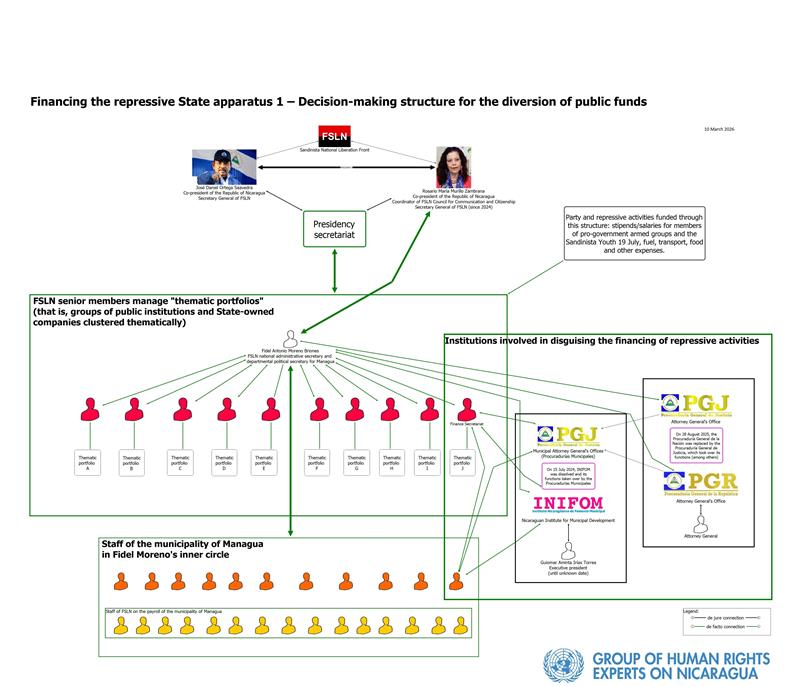
Diagram 2 - Financing the repressive State apparatus 1 - Decision-making structure for the diversion of public funds
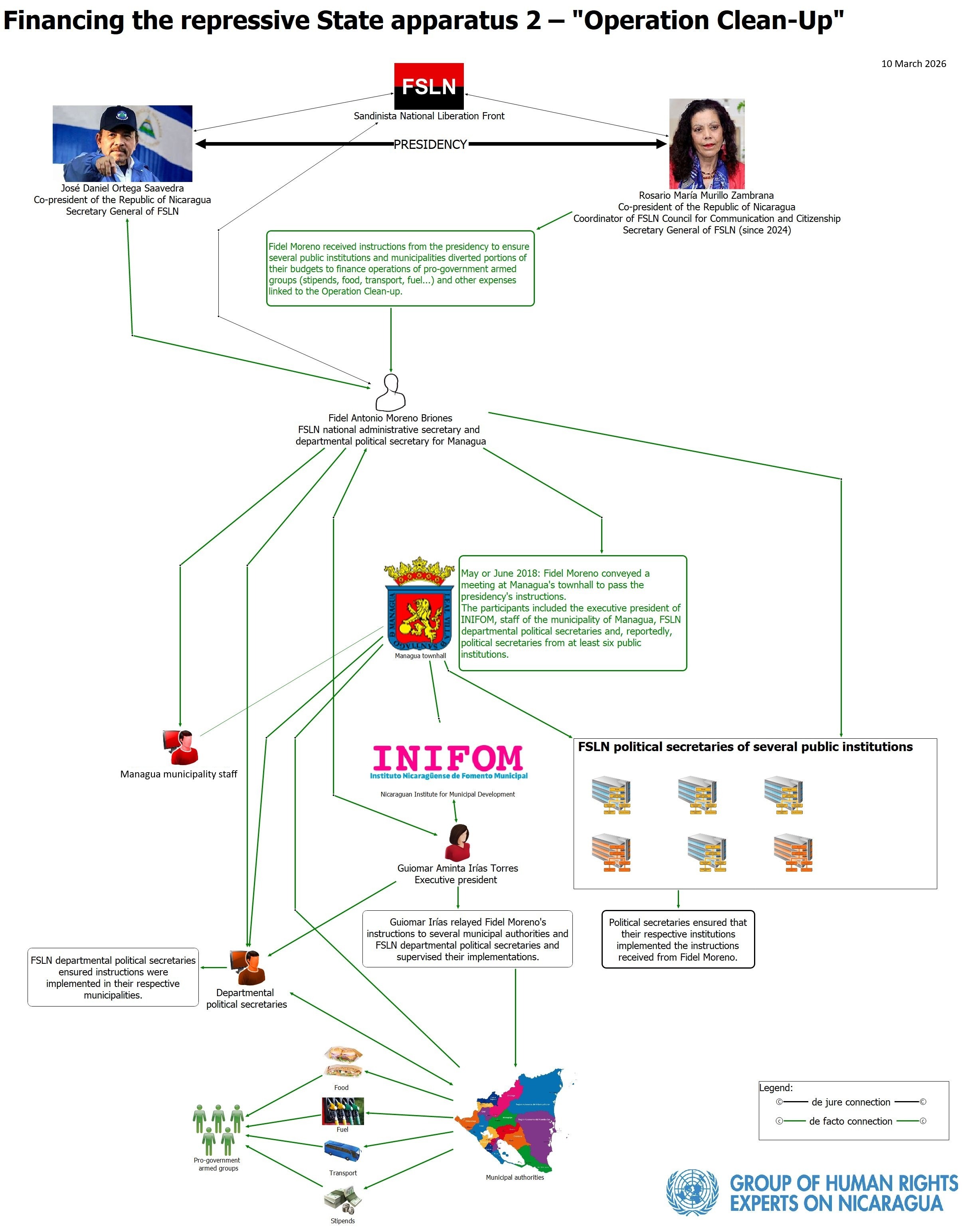
Diagram 3 - Financing the repressive State apparatus 2 - Clean-Up Operation
Functional diagrams included in the conference room paper A/HRC/58/CRP.8 (3 April 2025)

Diagram 1 – Intelligence and citizen surveillance (1 April 2025 – in Spanish only)

Diagram 2 – Extrajudicial executions in the context of the 2018 demonstrations (1 April 2025 – in Spanish only)

Diagram 3 – Arbitrary detentions and unfair trials (1 April 2025 – in Spanish only)

Diagram 4 – Enforced disappearances (1 April 2025 – in Spanish only)

Diagram 5 – Torture and other cruel, inhuman or degrading treatment or punishment (1 April 2025 – in Spanish only)

Diagram 6 – Expulsion of nationals and denial of entry in one’s own country (1 April 2025 – in Spanish only)

Diagram 7 – Arbitrary deprivation of nationality and denial of protection (1 April 2025 – in Spanish only)
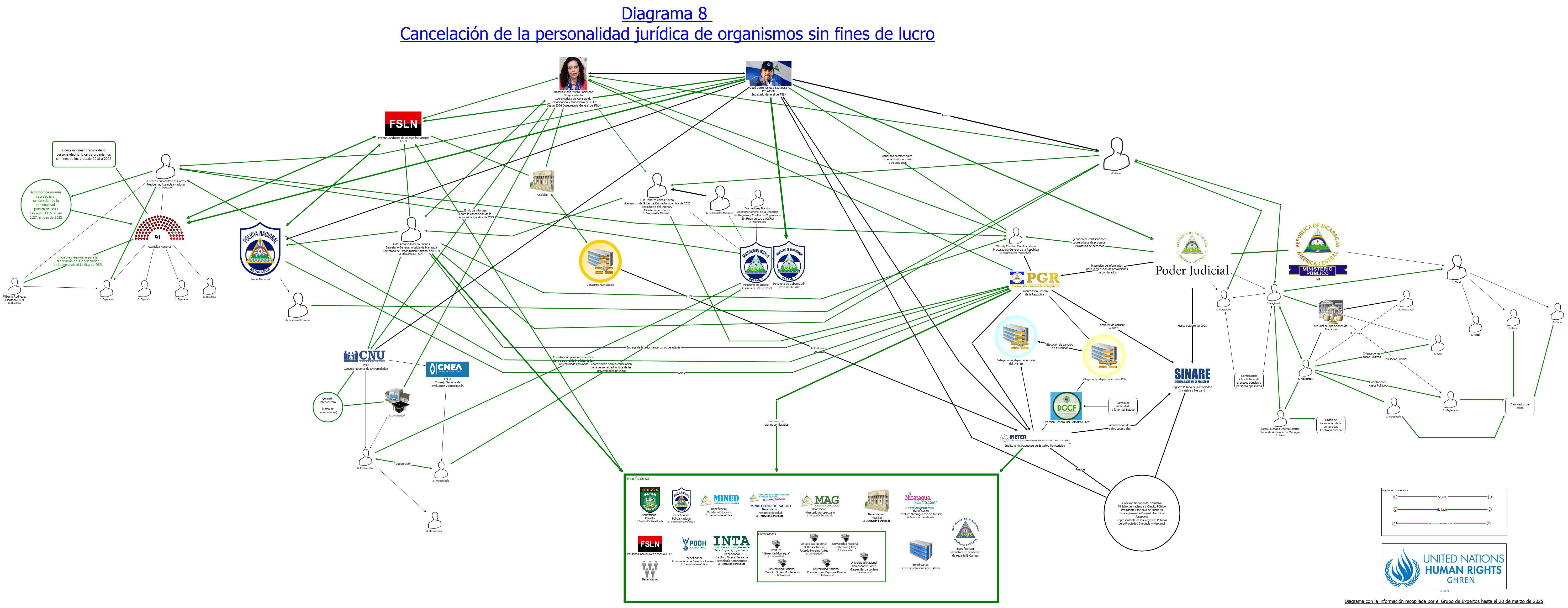
Diagram 8 – Cancellation of the legal personality of non-profit organizations (1 April 2025 – in Spanish only)
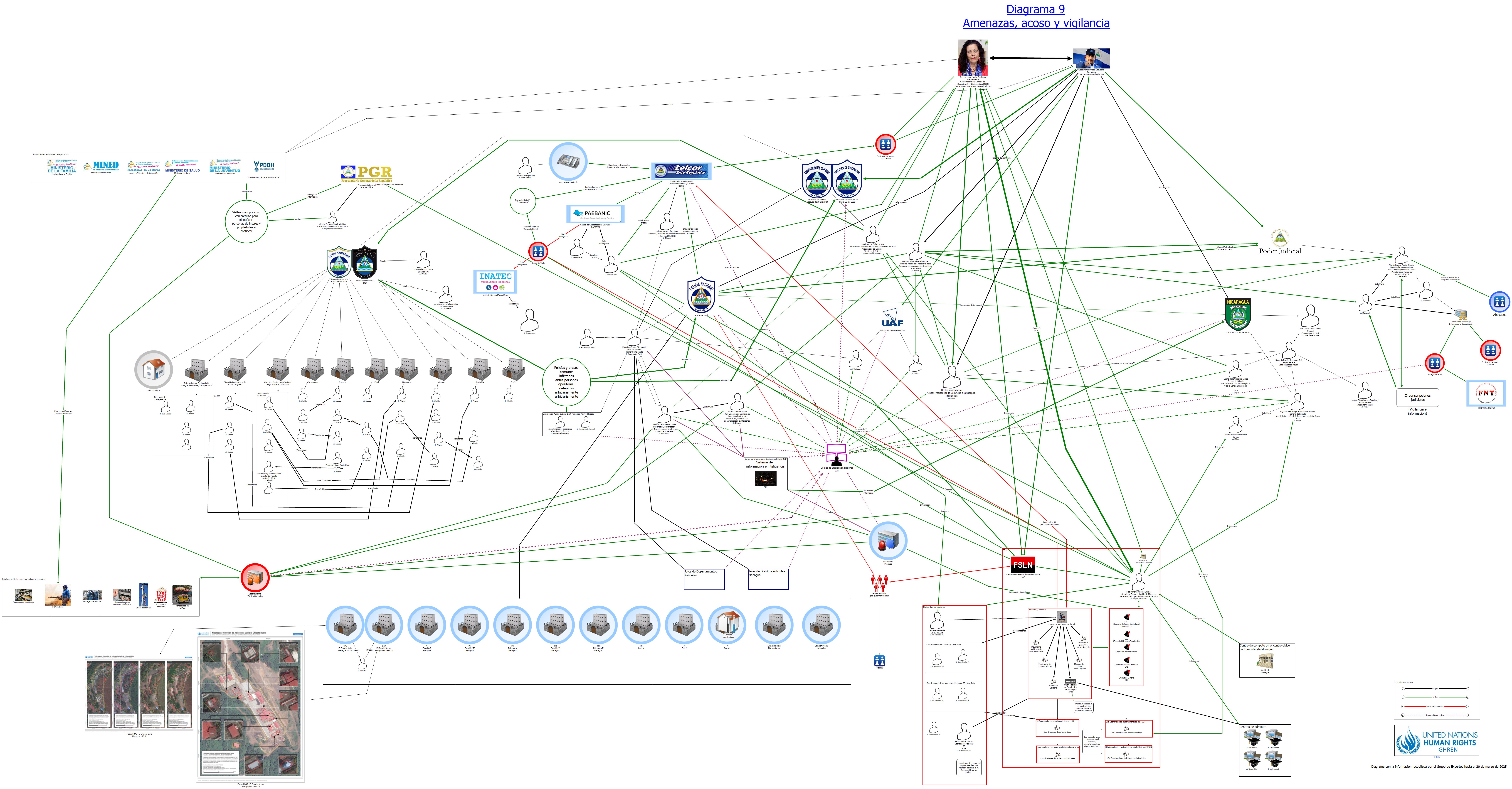
Diagram 9 – Threats, harassment and surveillance (1 April 2025 – in Spanish only)

Diagram 10 – Confiscation of property (1 April 2025 – in Spanish only)
Functional diagrams included in the report A/HRC/58/28 (26 February 2025)

Diagram 1 – Intelligence and citizen surveillance (in Spanish only)
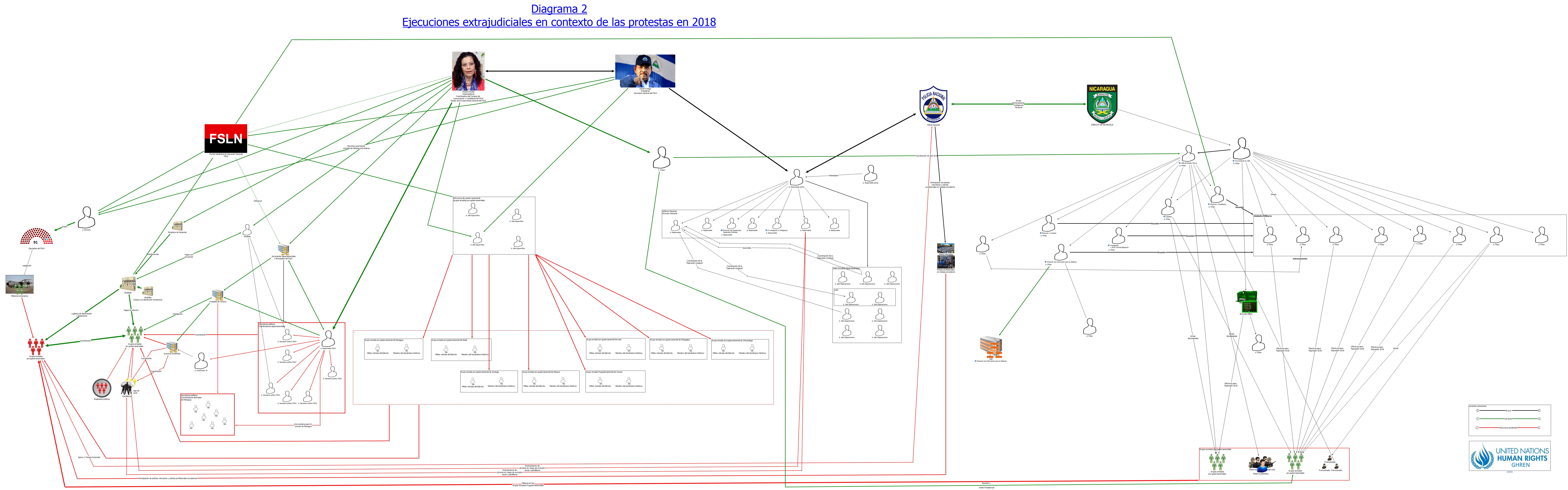
Diagram 2 – Extrajudicial executions in the context of the 2018 demonstrations (in Spanish only)

Diagram 3 – Arbitrary detentions and unfair trials (in Spanish only)
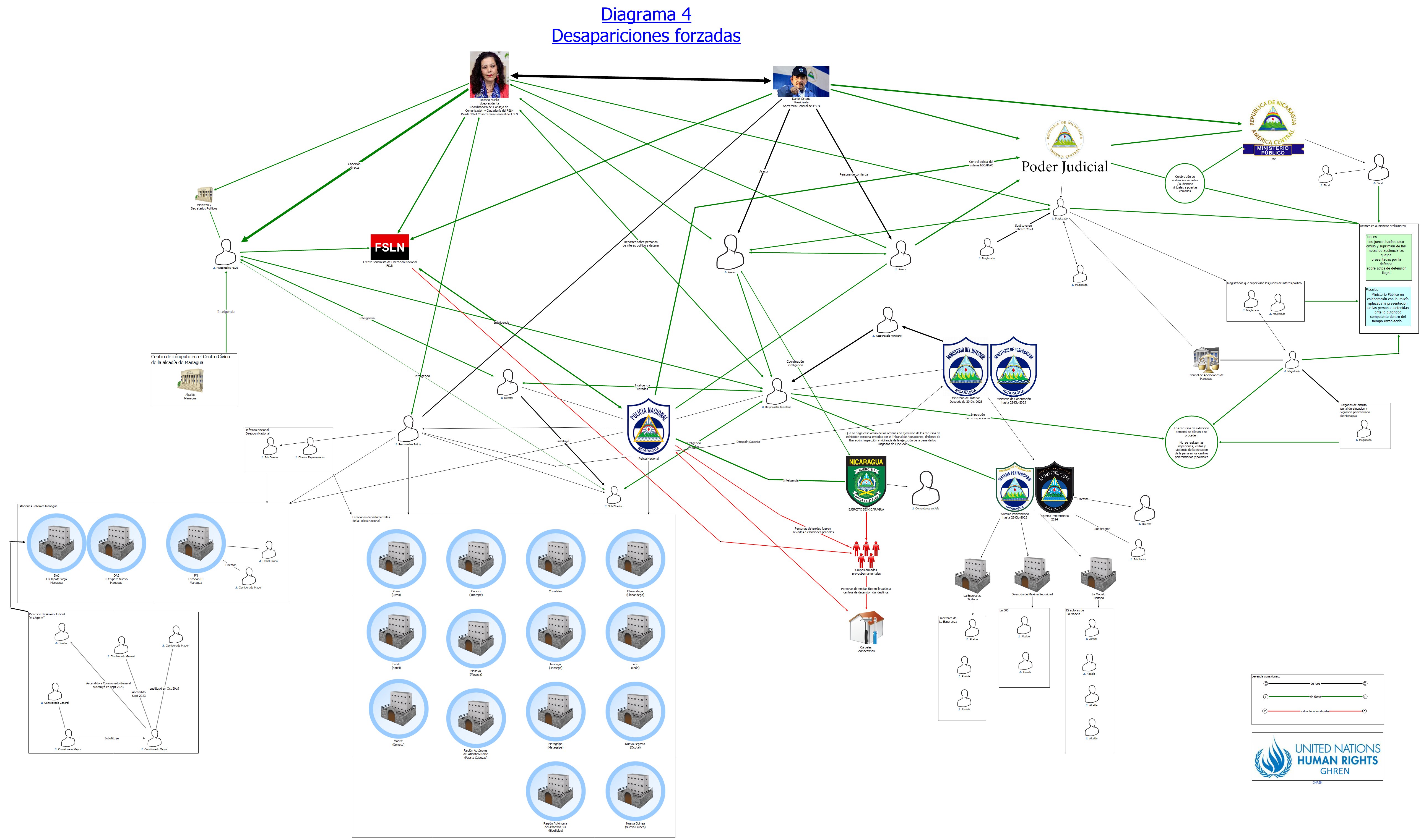
Diagram 4 – Enforced disappearances (in Spanish only)

Diagram 5 – Torture and other cruel, inhuman or degrading treatment or punishment (in Spanish only)

Diagram 6 – Expulsion of nationals and denial of entry in one’s own country (in Spanish only)

Diagram 7 – Arbitrary deprivation of nationality and denial of protection (in Spanish only)

Diagram 8 – Crackdown on non-profit organizations and universities (in Spanish only)

Diagram 9 – Threats, harassment and surveillance (in Spanish only)

Diagram 10 – Arbitrary confiscation of property (in Spanish only)
Functional diagram included in the report A/HRC/55/27 (28 February 2024)
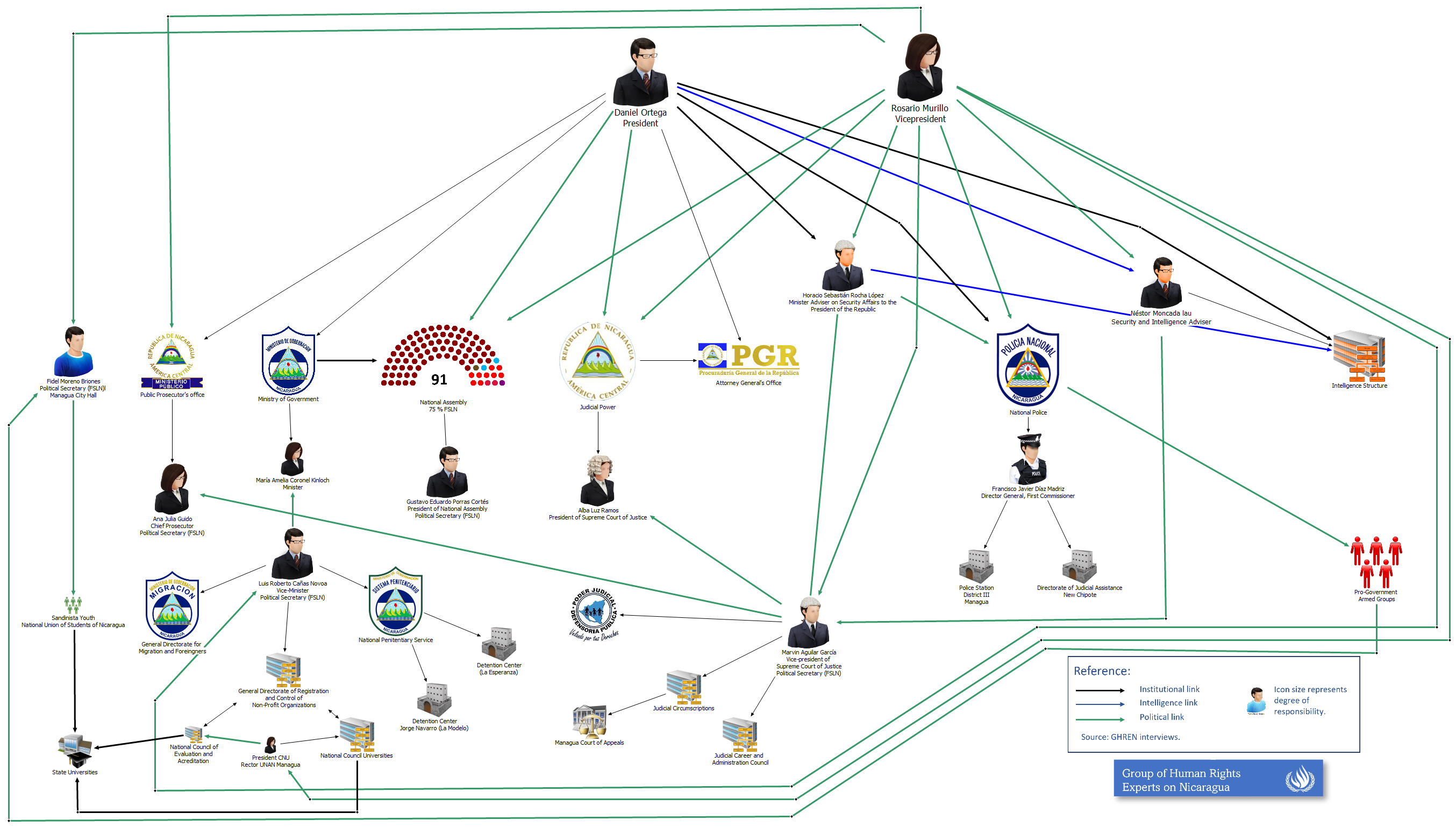
Power structure of the State of Nicaragua
Contact
For any query or to submit information, please write to:
Email: ghren@un.org